REVIEW · GRAND CANYON NATIONAL PARK
Grand Canyon South Kaibab Day Hike
Book on Viator →Operated by The Desert Hiking Company · Bookable on Viator
The Grand Canyon is loud. This hike turns it personal, on the South Kaibab Trail from Yaki Point with ridge views you do not get on many other routes. You’re descending through big scenery, learning what you’re looking at, and then climbing back with plenty of time to linger and take photos.
What I like most is that it’s built for real comfort and real learning: lunch and snacks are included, and you get a licensed, certified guide who talks geology, history, and ecology while keeping the pace workable. I also like that it’s a small group (maximum 7), so the guide can adjust when legs tire or weather turns moody.
One consideration: the hike is moderately strenuous, and the trail is all about going down and then back up. If you’re sensitive to steep walking or you expect to take lots of long breaks, start planning your effort level early.
In This Review
- Key highlights to know before you go
- South Kaibab From Yaki Point: Why This Ridge Feels Different
- 6 Hours on the Trail: Pacing, Difficulty, and What You’ll Be Doing
- The View Stops That Matter: Ooh Aah, Cedar Ridge, and the Possible Skeleton Point
- Lunch With a View: Snacks, Included Gear, and Water Reality
- A Licensed Guide Makes the Canyon Add Up: Geology, Ecology, and Safety
- Price and Value for $270: What You Pay For and What You Still Need
- Meet-Up Point and Timing: Starting at 6 S Entrance Rd
- Who This South Kaibab Hike Fits Best
- Should You Book This South Kaibab Day Hike?
- FAQ
- How long is the Grand Canyon South Kaibab day hike?
- How much does the tour cost?
- Where is the meeting point?
- What does the tour include?
- What is not included?
- How big is the group?
- What fitness level do I need?
- When does the tour operate?
- Is there a mobile ticket?
- What is the cancellation policy?
Key highlights to know before you go
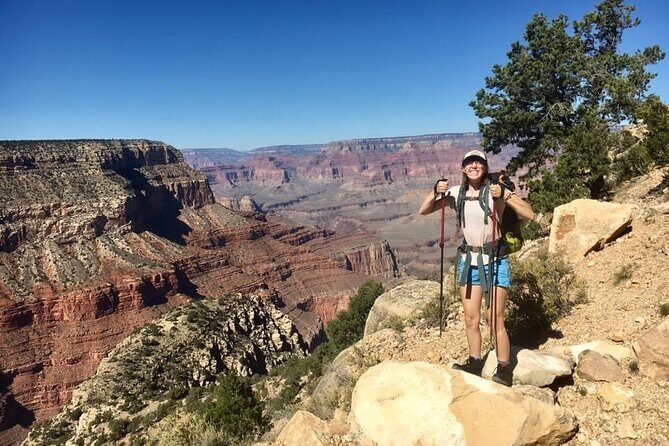
- Yaki Point start puts you on a ridge line with big, panoramic canyon views
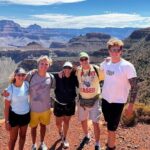
- Small group size (max 7) means more personal pacing and easier questions
- Lunch plus snacks included, so you’re not hunting food mid-hike
- Backpack and trekking poles included, which helps a lot on steep sections
- Stops like Ooh Aah Point and Cedar Ridge are built into the route, with Skeleton Point possible
South Kaibab From Yaki Point: Why This Ridge Feels Different
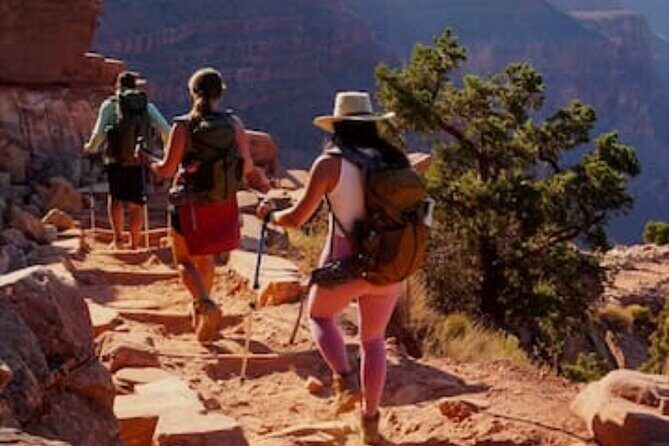
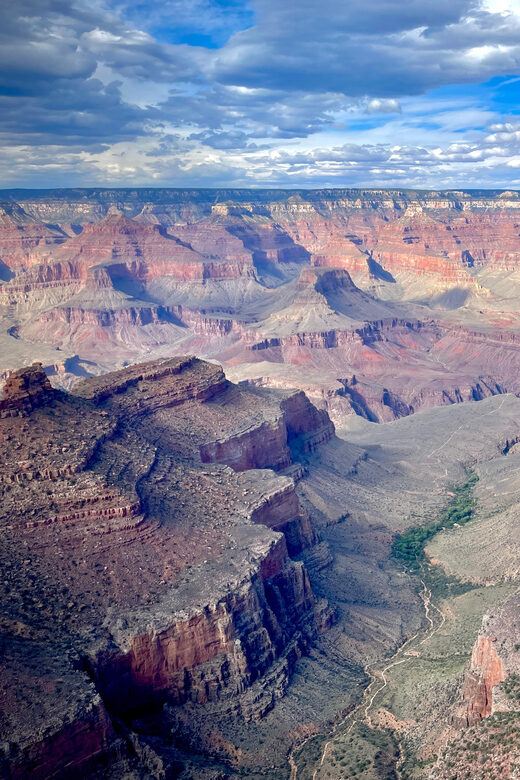
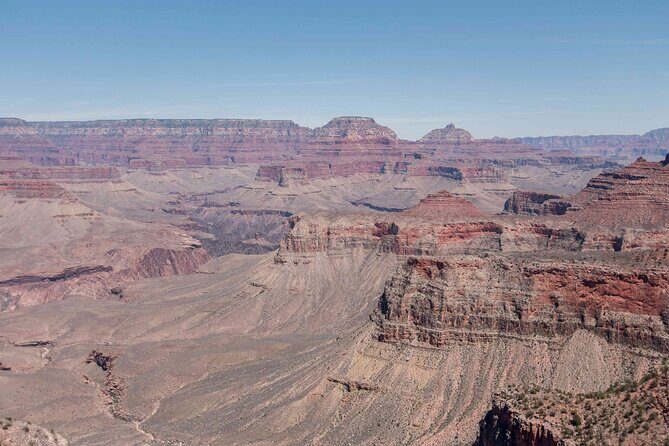
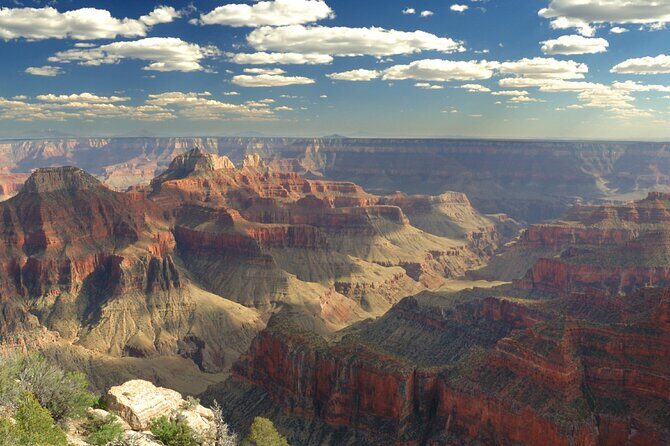
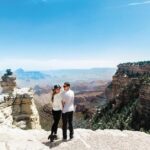
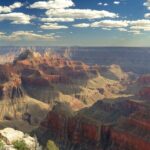
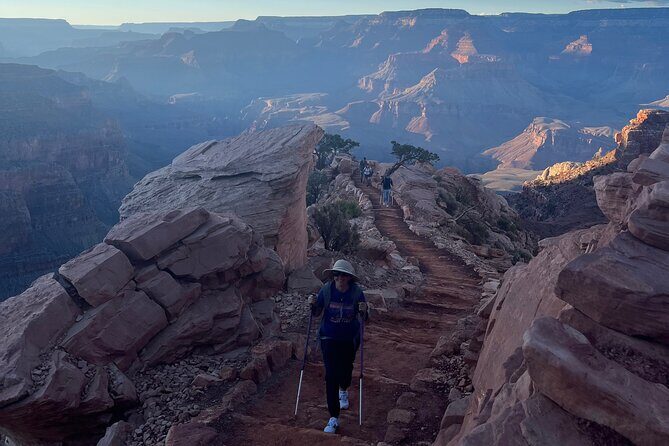
The South Kaibab Day Hike runs along the kind of canyon rim-adjacent ridges that make you understand why people get obsessed with the Grand Canyon. Starting at Yaki Point matters. You’re not just walking into a viewpoint-you’re moving along a line where the canyon opens out in layers, and the scenery feels broad even when you’re still “high.”
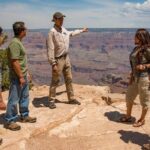
The best part is how the guide frames what you see. As you head toward classic overlook spots like Ooh Aah Point and Cedar Ridge, you’ll get explanations that connect the rocks, the plant life, and the canyon’s long timeline. That turns the hike from sightseeing into something you can actually remember.
Also, the route is described as moderately strenuous with a pace that gets adjusted to the group. That’s a big deal here, because the canyon doesn’t care about your vacation schedule. Your legs do the talking, and the guide’s job is to keep you moving in a way that feels safe and not rushed.
Other South Rim tours we've reviewed at the Grand Canyon


6 Hours on the Trail: Pacing, Difficulty, and What You’ll Be Doing
Plan on roughly 6 hours on the move, with the activity ending back at the meeting point. You’ll spend time descending along the South Kaibab Trail, then returning up. It’s not a stroll, but it’s also not described as an extreme adventure—more like the classic “day hike that earns the views.”
The pacing approach is one of the underrated benefits. In past outings with this operator, guides like Lewis and Chris have been praised for matching the tempo to guests and checking in frequently. That shows up as fewer moments where you’re stuck feeling behind or stuck feeling bored.
You’ll also want to treat hydration and snacks as part of the plan, not an afterthought. Snacks are included, and the guide helps keep you “energized throughout.” Since bottled water is not included, bring your own (or plan to buy it separately when possible) so you’re never rationing.
Weather matters in the canyon, and this is one reason I like booking with a small, guided group. One guide experience shared with this company involved adjusting the plan when storms were forecast, including starting early to avoid afternoon weather. For you, the practical takeaway is simple: pick a morning time slot if you can, and be ready to follow the guide’s call if conditions change.
The View Stops That Matter: Ooh Aah, Cedar Ridge, and the Possible Skeleton Point
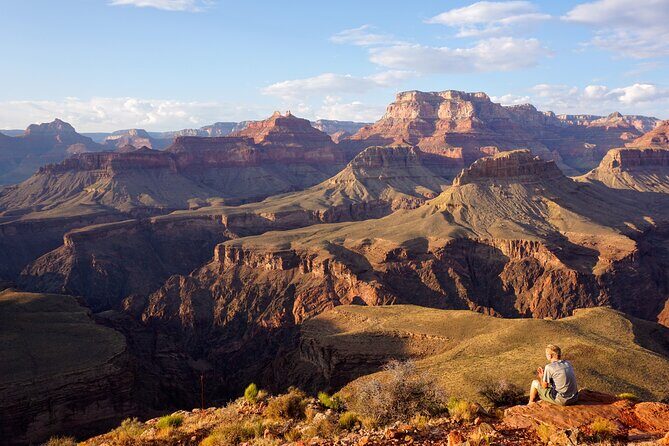
This hike is built around “you see it, you stop, you take it in” moments. Ooh Aah Point is one of those canyon landmarks that people go looking for because the views are instantly rewarding. The route then continues toward Cedar Ridge, which is a great mid-hike check-in spot—proof that you’re in the right place and that the effort is paying off.
Skeleton Point is listed as possible, depending on group pace and preferences. That flexibility is honest and helpful. It means you’re not locked into a one-size-fits-all march. If your group is moving briskly and everyone’s feeling good, you may get that extra viewpoint moment. If legs are getting tired, the guide can keep it comfortable and still make the hike feel complete.
One other thing I’d plan for: photo time is real time. With canyon hikes, the best moments are often the slow ones—when light shifts, when you finally find the angle that shows the canyon layers, or when you pause just to breathe. The guide-led structure should give you those pauses without turning the day into a shuffle.
Finally, there’s something about the South Kaibab experience that encourages quiet awe. People have talked about enjoying peaceful moments among the grandeur, and that’s usually what makes this hike stick. You’re not just rushing between lookouts. You’re walking through the canyon’s “workday” of views.
Lunch With a View: Snacks, Included Gear, and Water Reality
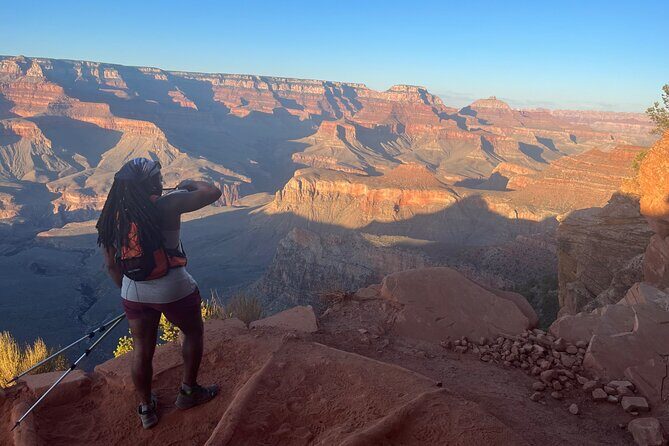
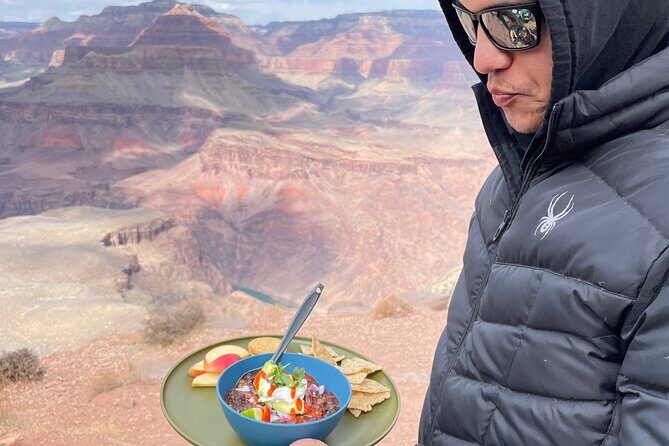
The tour includes lunch and snacks, which you can think of as “freeing your brain.” Instead of worrying about where to eat or how much you packed, you can focus on the hike and the scenery. That matters on a Grand Canyon day, where the logistics can turn stressful fast if you’re hungry.
The included lunch style is guided and on-trail. In past experiences with this company, people have mentioned picnic-style food and wraps with great views. Even if your exact meal format varies by guide and conditions, the intent stays the same: a real break when you’re deep enough into the day that you’d otherwise be thinking about food.
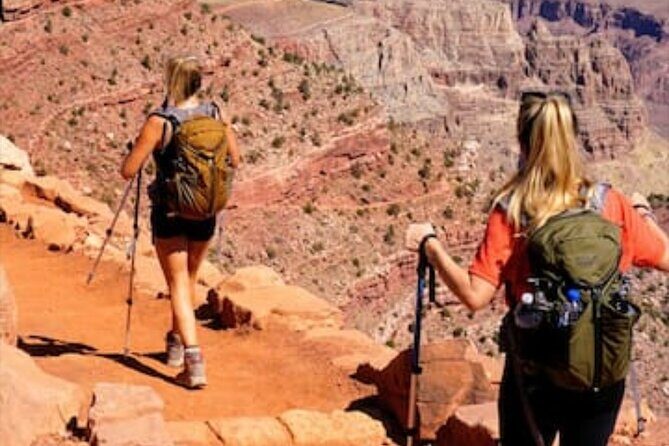
You’ll also get a backpack and trekking poles included. Trekking poles are not just a “nice-to-have” here; on steep terrain they can cut the strain on your knees and make it easier to keep footing. If you don’t travel with poles, this inclusion is a genuine money-saver and comfort upgrade.
What is not included is bottled water. So I recommend you bring at least one bottle you trust, plus a backup plan (another bottle or a refill strategy) if you’re the type who drinks more when hiking hard. Snacks are included, but water is non-negotiable.
A Licensed Guide Makes the Canyon Add Up: Geology, Ecology, and Safety
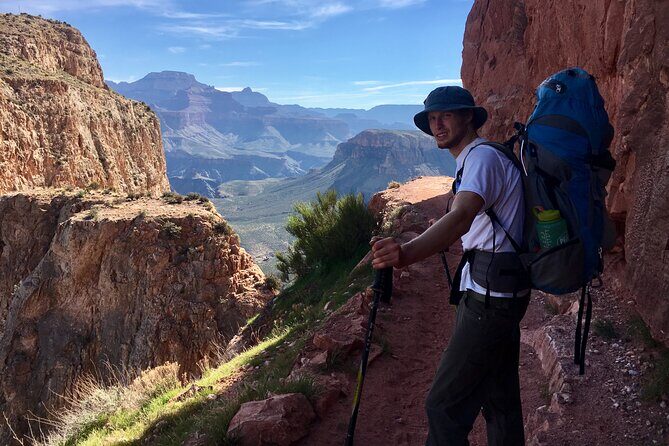
The guide is described as licensed and certified, and that shows in the way the hike is managed. You’re not just handed a route and told good luck. You’re paired with someone who will explain geology, history, and ecology while you walk.
What I find especially valuable is that canyon education is not abstract. When a guide points out rock layers as you pass a particular stretch, you start to “see” time in the canyon instead of just seeing a big hole. Fossils and petroglyphs have also come up in guide commentary in past groups, and those kinds of stops can make the canyon feel human-scale rather than only massive.
Safety is part of this too. In shared experiences with guides like Josh, Chris, Lewis, and Louis, the common thread is that people felt safe and guided without feeling rushed. That’s the balance you want on a steep trail: steady movement, frequent check-ins, and clear expectations.
Group size also helps safety. Maximum 7 means the guide can keep track of everyone’s pace and energy level. If someone is hesitant on a steep section, the guide can slow down and adjust rather than forcing a sprint to stay together.
One small planning note: you’re in the Grand Canyon National Park, which means the environment is serious. You’ll want to wear proper footwear and dress in layers, even if the day starts warm. The guide’s job is canyon-specific expertise; your job is to show up ready for the physical reality of the terrain.
Other hiking tours we've reviewed at the Grand Canyon
Price and Value for $270: What You Pay For and What You Still Need
At $270 per person for about 6 hours, the price lands in the mid-to-higher range for a day hike. The value comes from what’s bundled.
Here’s what you do get:
- Lunch and snacks
- Backpack and trekking poles
- A licensed, certified guide
- Small group experience (maximum 7)
- Mobile ticket and group discounts
What you do not get:
- Bottled water
- Entrance fee
- Gratuity for the guide
So you’re paying for guide time, small-group logistics, and gear that would otherwise cost you money or time. If you’ve ever tried to hike the Grand Canyon without poles or without a plan for meals, you already know how quickly expenses and stress stack up.
The entrance fee gap matters, too. Make sure you’ve budgeted for park entry separately. And gratuity is not included, so factor that into your total cost if you like to tip for good guiding.
One more value angle: the group is booked on average 53 days in advance. That’s a signal of demand. If you want a specific day or want to avoid last-minute scrambling, book earlier rather than later.
Meet-Up Point and Timing: Starting at 6 S Entrance Rd
Your meeting point is 6 S Entrance Rd, Grand Canyon Village, AZ 86023, and the hike ends back at the same meeting point. That simple “start and finish together” structure helps, because you’re not managing multiple shuttles or figuring out how to get back to your car later.
The activity is available during a window listed as 8:00 AM to 1:00 PM, Monday through Sunday, across the stated date range. The exact start time can vary by booking, but the takeaway is clear: you’ll want to plan your Grand Canyon day around a morning-to-early-afternoon window rather than a late start.
Also, it’s described as near public transportation. If you’re not driving, that’s helpful. If you are driving, still give yourself buffer time for parking and walking to the meeting area.
My advice: if weather is questionable, go earlier when possible. One guide experience included the choice to start at 6 am to reduce the risk from afternoon showers on a different route. Even if your tour’s earliest option is later than that, choosing the earlier end of the operating window gives you more margin.
Who This South Kaibab Hike Fits Best
This hike fits best if you want a guided Grand Canyon experience that mixes views with interpretation. If you like learning while you walk, you’ll probably enjoy the geology, history, and ecology explanations you’ll get on the trail.
It also suits hikers who want structure without feeling trapped. Because the pace is adjusted to the group and route variations like Skeleton Point may depend on timing, you’re more likely to end the day feeling satisfied rather than exhausted and resentful.
This may be a tough pick if you:
- don’t handle steep walking well (it’s moderately strenuous and involves descent and ascent)
- expect to move very slowly for long stretches without wanting to coordinate with the guide
- have no interest in following safety guidance in a remote environment
On the flip side, if you’re physically able, want the classic South Kaibab viewpoints like Ooh Aah Point and Cedar Ridge, and appreciate having gear like trekking poles handled for you, this is a strong option.
Should You Book This South Kaibab Day Hike?
If your priority is an iconic Grand Canyon trail with small-group attention, built-in snacks and lunch, and a guide who helps you understand what you’re seeing, I’d say this is worth serious consideration. The inclusion of trekking poles and a backpack alone can make the day feel easier and more comfortable, especially if you’re visiting only once.
Book it when you:
- want the South Kaibab Trail experience starting at Yaki Point
- value a licensed, certified guide and prefer learning on the ground
- can handle moderately strenuous hiking and the down-then-up rhythm
Skip or rethink it if you want a totally flat walk or if you’re worried about steep terrain without having any hiking adaptation time. In the canyon, comfort is earned. This tour is built for earning it in a smart, guided way.
FAQ
How long is the Grand Canyon South Kaibab day hike?
It runs for about 6 hours.
How much does the tour cost?
The price is $270.00 per person.
Where is the meeting point?
Meet at 6 S Entrance Rd, Grand Canyon Village, AZ 86023, USA.
What does the tour include?
Lunch, snacks, a backpack, trekking poles, and a licensed, certified guide.
What is not included?
Bottled water, the entrance fee (park entrance), and gratuity for the guide.
How big is the group?
Maximum group size is 7 travelers.
What fitness level do I need?
You should have a moderate physical fitness level.
When does the tour operate?
It runs within the hours of 8:00 AM to 1:00 PM, Monday through Sunday, during the listed date range (02/01/2025 to 12/10/2026).
Is there a mobile ticket?
Yes, the tour uses a mobile ticket, and group discounts are available.
What is the cancellation policy?
Free cancellation is available up to 24 hours in advance for a full refund; within 24 hours, there is no refund.