REVIEW · GRAND CANYON NATIONAL PARK
4-Hour Biblical Creation + Sunset Tour • Grand Canyon National Park South Rim
Book on Viator →Operated by Canyon Ministries Christian Tours · Bookable on Viator
Sunset at the rim has a new angle. This South Rim tour from Canyon Ministries mixes big views with biblical teaching through Genesis, stopping at some of the most memorable outlooks while you ride and then pause to look. I like how the guide ties geology to the Flood and Creation story in plain language, and I like the smaller-group feel that leaves room for questions. One heads-up: the presentation is firmly biblical-creation, so it may push back on standard long-age geology.
You’ll start at the Grand Canyon Visitor Center flagpole inside the park, ride along the east side of the South Rim, and finish with sunset time built into the schedule. Plan on variable timing depending on the day’s sunset, with drop-off back at your parking area about 30 minutes after the sun goes down.
In This Review
- Key highlights you’ll actually care about
- 4 hours on the South Rim: why sunset timing feels different here
- Starting at the Visitor Center flagpole: the logistics that make it smooth
- Desert View Drive rim points: what you’ll see and why each stop matters
- Stop 1: Yavapai Point (getting the big picture)
- Stop 2: Grandview Point (Wild West history + mining questions)
- Stop 3: Lipan Point (rock layers used as Flood evidence)
- Stop 4: Navajo Point (water stories + the model question)
- Stop 5: Moran Point (sunset payoff)
- Comfort kit: what’s included so you can enjoy the rim, not suffer it
- Guides and the feel of the teaching: conversation beats lectures
- Price and value: is $149 fair for a 4-hour sunset rim tour?
- Wildlife, weather, and the reality of an outdoors sunset plan
- Who this tour suits best (and who should skip it)
- Should you book this Canyon Ministries sunset tour?
- FAQ
- What is the meeting point for the tour?
- Do I need to pay the Grand Canyon park entry fee?
- How long is the tour?
- What’s included during the tour?
- What should I wear or bring for sunset?
- How big is the group?
- What happens if the tour is canceled due to weather?
Key highlights you’ll actually care about
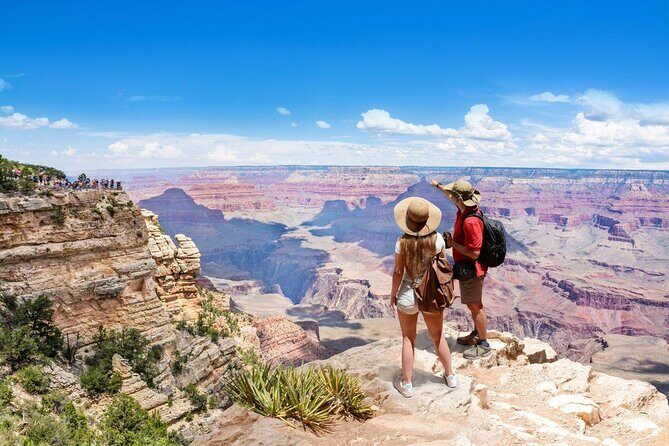
- A classic South Rim sunset, plus structured teaching: you’re not just staring in silence.
- Multiple named overlooks on Desert View Drive: Yavapai to Moran covers a lot of rim variety.
- Small group size (max 12): easier conversation than a big bus crowd.
- Comfort tools are included: blankets, umbrellas, bottled water, and binoculars.
- Guides tailor the flow: some nights run more like a conversation than a script.
4 hours on the South Rim: why sunset timing feels different here
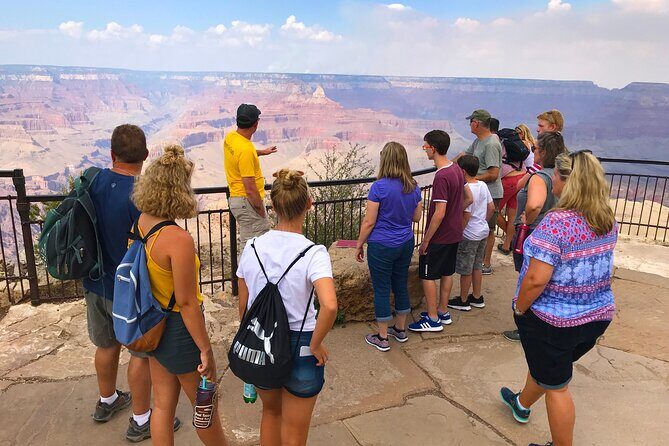
This is a rim tour built around the moment the canyon light shifts. You meet about four hours before sunset, then spend the afternoon moving from viewpoint to viewpoint before the closing stop is all about watching the sun set far to the west. That timing matters, because rim overlooks look very different in late-day light than they do at mid-morning.
What makes this tour stand out is the framework. Instead of treating geology as separate from faith, the guide connects what you’re seeing—rock layers, water stories, and canyon features—to the biblical account of Creation and the Flood. The result is a “see it, then talk about it” rhythm that can help you remember what you’re looking at long after the trip.
Now, keep your expectations aligned. This is not neutral, museum-style interpretation. The teaching comes from a specific biblical-creation perspective, and some guides discuss and argue why they think certain mainstream timelines don’t fit. If you want a purely secular explanation, you may feel like you’re in the wrong building. If you want a faith-forward way to read the canyon, it’s likely a strong match.
Other South Rim tours we've reviewed at the Grand Canyon


Starting at the Visitor Center flagpole: the logistics that make it smooth
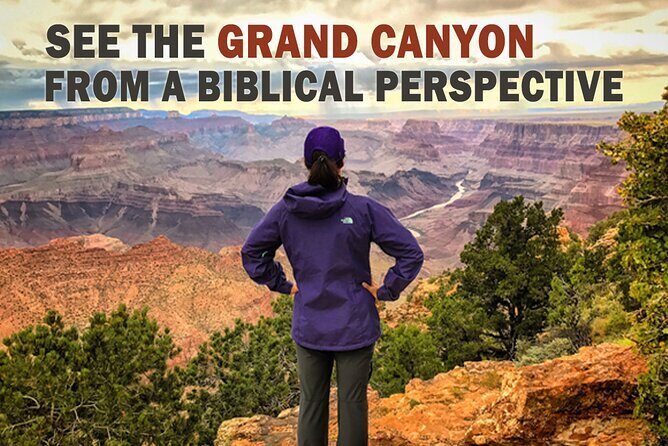
The meeting point is specific: the tour starts at the flagpole outside the Grand Canyon Visitor Center building, inside the park. The start address is Grand Canyon Visitor Center S Entrance Rd, Grand Canyon Village, AZ 86023. You’ll board an air-conditioned vehicle and then head out along the South Rim’s east side on Desert View Drive.
A practical tip: give yourself extra arrival time, especially in spring and summer. Lines into the park can stretch long, and your tour start time is tied to the daylight plan. If you can, arrive early and do a quick warm-up walk on the Rim Trail or check out views at Mather Point or near Grand Canyon Village before joining the group. That way you’re not running on adrenaline when the teaching begins.
Also note the tour length is variable. The itinerary is designed around sunset, so your end time shifts with the calendar. The plan is to be back about 30 minutes after sunset, which is helpful when you’re deciding what to do after the tour.
Desert View Drive rim points: what you’ll see and why each stop matters
The best part of this tour is the way the canyon story gets built step-by-step. You won’t just jump to one famous overlook and call it a day. The drive hits a sequence of viewpoints that each work like a chapter: geology basics first, then water and rock-layer meaning, then a final sunset stop.
Below is the typical route. On different days, the guide may swap stops based on weather, seasons, and crowds. The tour isn’t scripted, so the guide can flex to what the park is doing that day.
Stop 1: Yavapai Point (getting the big picture)
You start with an introduction to the canyon and its geology, near the Visitor Center area. This is where you get the foundation for the rest of the afternoon—what you’re looking at, how the guide will frame the Flood in Genesis, and what to watch for at later points.
This first stop is also a nice “reset” for first-timers. It’s easy to show up at the South Rim and feel overwhelmed by scale. A clear starting explanation makes the later overlooks click faster.
Stop 2: Grandview Point (Wild West history + mining questions)
At Grandview Point, the tone shifts from science basics to human history. The guide talks about early development and mining—copper and tourist pockets—then ties it back to the canyon’s significance. You also get wide vistas and can spot the distant Colorado River below.
One reason this stop works: it reminds you that the canyon isn’t only a natural monument. People have been reading it, studying it, and trying to make sense of it for a long time.
Other sunset and sunrise tours we've reviewed at the Grand Canyon
Stop 3: Lipan Point (rock layers used as Flood evidence)
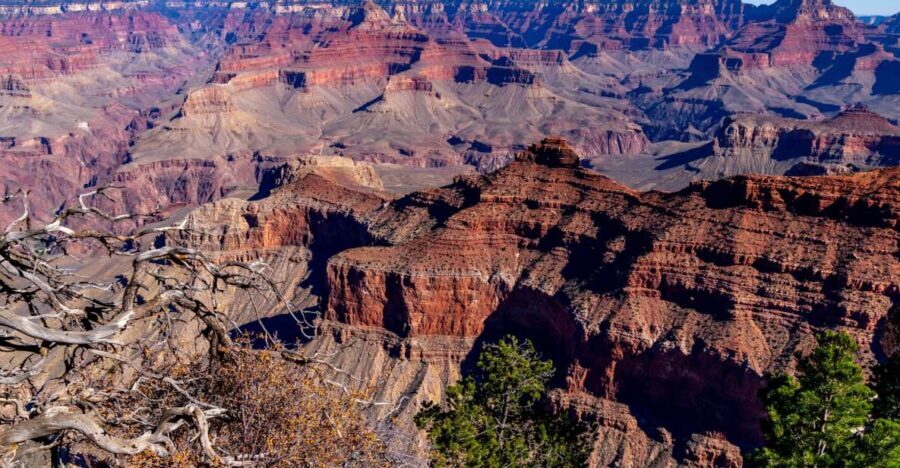
Lipan Point is where the geology teaching gets meatier. You’ll take in major river views and discuss Native American Ancestral Puebloans connected to life below on the Unkar Delta. Then the talk moves into observable rock features: the Great Unconformity, the Cambrian Explosion, and the Tapeats Sandstone.
The guide uses these layers as evidence for a global Flood, focusing on how sedimentary rock deposition could match a biblical timeline. Whether you agree or disagree, it helps to hear the argument laid out at a real viewpoint instead of in a classroom.
Stop 4: Navajo Point (water stories + the model question)
Next comes Navajo Point, and the theme is water and speed—how a canyon could form through a short, forceful event. The guide explains the idea of a lake spillover or breached-dam model, sometimes credited historically to 1800s geology, and notes that both creationists and some secular geologists have discussed similar ideas.
You’ll also look beyond the canyon toward distant Vermillion and Echo Cliffs of the Marble Platform and southeast toward parts of the Painted Desert. This stop adds geographic context, which makes the canyon feel less like a single hole in the earth and more like a huge regional system.
Stop 5: Moran Point (sunset payoff)
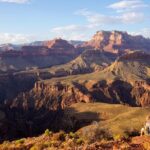
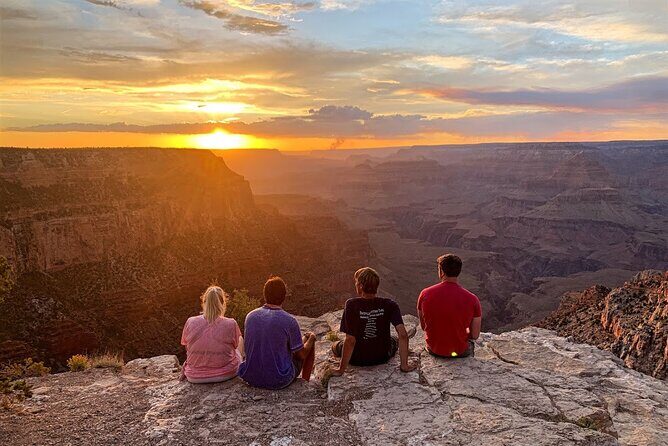
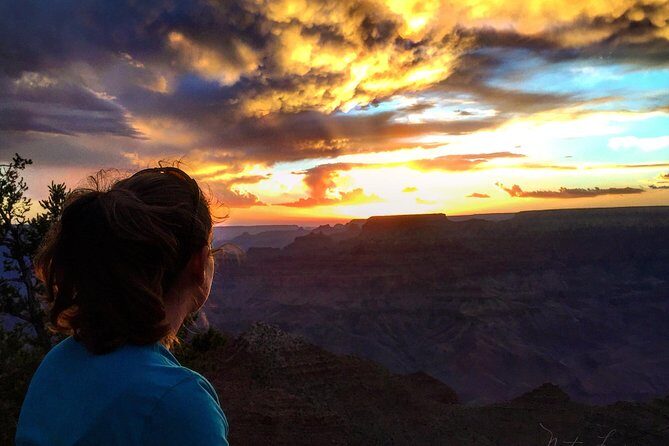
You finish at Moran Point for the closing sunset. This is the “slow down” moment. You’ll get time to sit, relax, and watch the sun drop behind distant cliff walls to the west. Blankets are available, and the vehicle should stay available for comfort if weather turns chilly.
This is also where the tour feels most spiritual for many people. Some guides make space for quiet reflection, and a few have even led group prayer at a quiet overlook before sunset. If you want a guided way to end the day with meaning, this stop is built for that.
Comfort kit: what’s included so you can enjoy the rim, not suffer it
Grand Canyon weather likes to play games. Even in fair seasons, it can get cold near sunset, and wind at overlooks is common. The tour helps you handle that without forcing you to buy extras.
Here’s what’s included:
- bottled water
- blankets
- umbrellas
- binoculars
- air-conditioned vehicle
That combination matters. Binoculars help you look deeper into the canyon details and distant features. Blankets and umbrellas keep you safer and calmer when temperatures dip or weather shifts. And the air-conditioned vehicle means you’re not stuck overheating or freezing between stops.
From what you can expect in real conditions, guides often plan for winter cold and rainy evenings. One practical point: bring a warm layer anyway. Included blankets are a bonus, not a replacement for decent clothing.
Guides and the feel of the teaching: conversation beats lectures
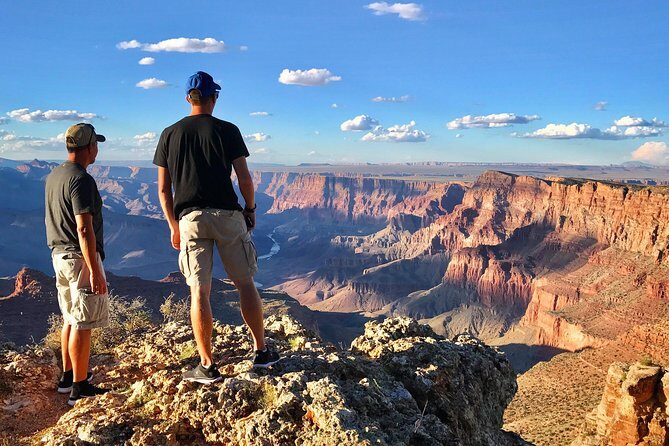
The guides are a big part of why people come back to this tour type. Names that stand out include Eddy, Emilia, Bob, Dana, David, and Ameila. Across guides, the style tends to be structured but responsive—answering questions, adjusting pacing, and tailoring the flow based on what your group has already seen.
One February-style highlight: Eddy has been praised for tailoring the route to what the couple had already visited, then adjusting what they hadn’t. That’s a good sign if you’re doing more than one Grand Canyon activity. It also helps repeat visitors avoid feeling like they’re paying to watch the same slideshow they’ve already seen.
At the same time, the teaching intensity can vary by guide and by topic. One downside worth mentioning: some guests found the discussion heavy on logic, theory, and rebuttals to mainstream published claims, with Scripture used more as supportive context than as an absolute authority. If you’re sensitive to persuasive arguing, come in expecting a guided debate tone at times. If you’re hoping for a more gentle faith talk only, ask yourself whether this format is what you want on vacation.
Price and value: is $149 fair for a 4-hour sunset rim tour?
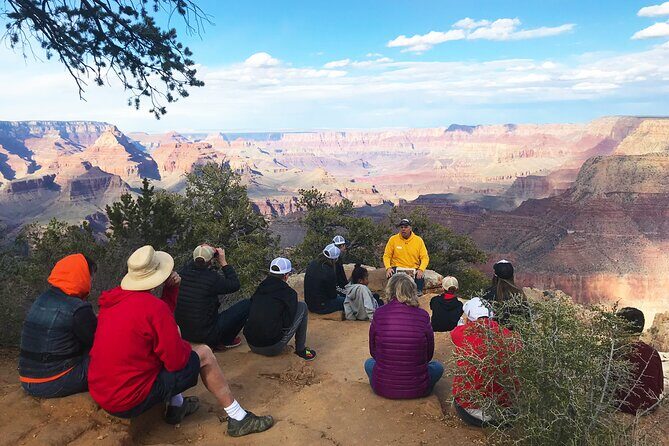
At $149 per person for about four hours, this isn’t a cheap “hop-on-hop-off” experience. But it can feel fair—sometimes even like a bargain—when you compare what you’re getting.
You’re paying for:
- a guided, multi-stop route across several overlooks
- included comfort items (blankets, umbrellas, binoculars, bottled water)
- an air-conditioned vehicle between stops
- a small group limit (max 12)
- a structured biblical-creation teaching thread across the canyon sights
If you were to DIY this, you’d still pay park entry, spend time figuring out parking and routes, and you’d likely miss the specific connections between rock features and the Flood/Creation narrative. The guide gives you a framework to watch for, which can dramatically change how the canyon reads to you.
That said, it’s expensive compared to basic ranger shuttles or simple viewpoint strolls. If you only want the view and zero interpretation, you may be able to get a lot of what you want with self-guided time on the South Rim. But if you want your Grand Canyon day to include both major overlooks and a faith-based lesson, this price can make sense quickly.
Wildlife, weather, and the reality of an outdoors sunset plan
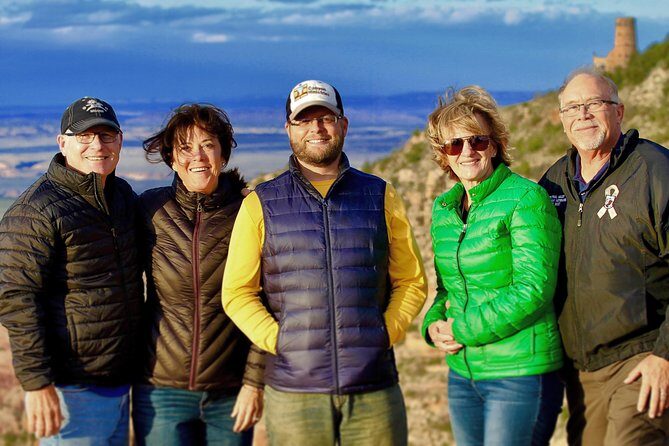
Grand Canyon tours live in the real world. You might see wildlife from the rim areas—one guest reported a bull elk during the tour. You might also see color effects like rainbows, depending on weather and timing. These aren’t guaranteed, but it’s the kind of place where small surprises happen.
Weather can also affect sunset visibility. If clouds roll in, you might get a softer sunset, not a crisp one. The tour still focuses on the final viewing window, and guides may adjust by adding extra stops when conditions allow.
And yes, you should plan for weather-dependent operation. This is an outdoors experience, so expect the provider to monitor conditions. If conditions are poor and the tour is canceled, you should be offered an alternate date or a full refund.
Who this tour suits best (and who should skip it)
This tour fits best if you:
- want the Grand Canyon through a biblical creation lens
- like science talk tied to real places, especially geology and Flood-related interpretations
- enjoy guided discussion more than silent sightseeing
- appreciate a smaller group and time to linger at overlooks
It may not be the best match if you:
- want a strictly neutral, secular explanation of canyon formation
- get uncomfortable with persuasive rebuttal-style discussions
- prefer a light, quick overview with minimal interpretation
A smart compromise for many people: pair this tour with free time later in the day for quiet self-guided watching. You’ll get the best of both—the guided “how to read the canyon” plus your own time to just absorb it.
Should you book this Canyon Ministries sunset tour?
If you’re the type of traveler who likes your viewpoints with a point of view, I’d book it. The South Rim sunset is already hard to beat, and adding the Flood/Creation teaching turns your time at each overlook into something you can remember—not just something you pass through.
Book it especially if you want:
- stop-by-stop structure across multiple rim points
- a small group atmosphere (max 12)
- included comfort tools for cold or windy evenings
- guides who answer questions and tailor the flow, like Eddy’s route adjustments
Skip it if you want a purely secular geology explanation or if you strongly prefer the canyon story without any biblical framework. In that case, you’ll probably enjoy a more traditional South Rim tour instead.
FAQ
What is the meeting point for the tour?
The tour meets at the Grand Canyon Visitor Center flagpole, just outside the Visitor Center building, inside the park, at the tour start time.
Do I need to pay the Grand Canyon park entry fee?
No. Park entry is not included. You can pay at the gate or use a National Park Pass.
How long is the tour?
The tour runs about 4 hours, but the exact length varies based on the sunset time for that day. You’ll plan to be back about 30 minutes after sunset.
What’s included during the tour?
You get bottled water, blankets, umbrellas, binoculars, and an air-conditioned vehicle.
What should I wear or bring for sunset?
The included blankets and umbrellas help, but you should still dress for changing rim weather since sunset can be chilly and windy.
How big is the group?
The tour has a maximum of 12 travelers.
What happens if the tour is canceled due to weather?
The experience requires good weather. If it’s canceled because of poor conditions, you’ll be offered a different date or a full refund.