REVIEW · SEDONA
The Grand Canyon Classic Tour From Sedona, AZ
Book on GetYourGuide →Operated by Arizona Tour & Travel · Bookable on GetYourGuide
Sedona to the Grand Canyon in one smooth sweep. You start with a scenic ride through Sedona red rocks, Oak Creek Canyon, and Flagstaff pine country, then roll on toward the Navajo Reservation before you even see your first major canyon view. I also like how this tour is built around an easy rhythm with hotel pickup and drop-off, and the guide-led storytelling helps you spot what matters along the way, from guides like Kat to Ezra.
Once you reach the park, I love that you get more than one “big picture” moment: Desert View (plus the Watchtower Observatory) sets up the canyon scale, and the trip continues to the East and South Rims for classic overlooks and a mile-long nature walk along the South Rim. The main tradeoff is simple: it’s an 11-hour day with early pickup and lunch on your own once you’re at Grand Canyon Village, so you’ll want to plan your energy and pacing.
In This Review
- Key highlights at a glance
- Starting in Sedona: why this day trip feels like more than a transfer
- The drive route: Oak Creek Canyon, Flagstaff pines, and the San Francisco Peaks
- Navajo Reservation stop and Cameron Trading Post shopping that actually feels real
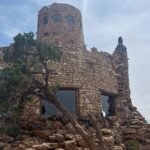
- Desert View and the Watchtower Observatory: your first major canyon wow
- East and South Rims: more angles, less guesswork, and the best “walk with a view” moment
- Grand Canyon Village time: historic buildings, your lunch plan, and breathing room
- Choosing shared vs private: how group setup changes your day
- What to bring (and what to skip) for a smoother Grand Canyon day
- Price and value check: why $191 can make sense for a full canyon hit
- Who this tour suits best (and who should look elsewhere)
- Should you book this Sedona-to-Grand Canyon classic tour?
- FAQ
- What time does the tour depart from Sedona, and when does it return?
- What parts of the Grand Canyon are included?
- Is lunch included in the price?
- Is there an extra fee for non-U.S. residents?
- What should I bring, and what items are not allowed?
- Is this tour wheelchair accessible?
Key highlights at a glance
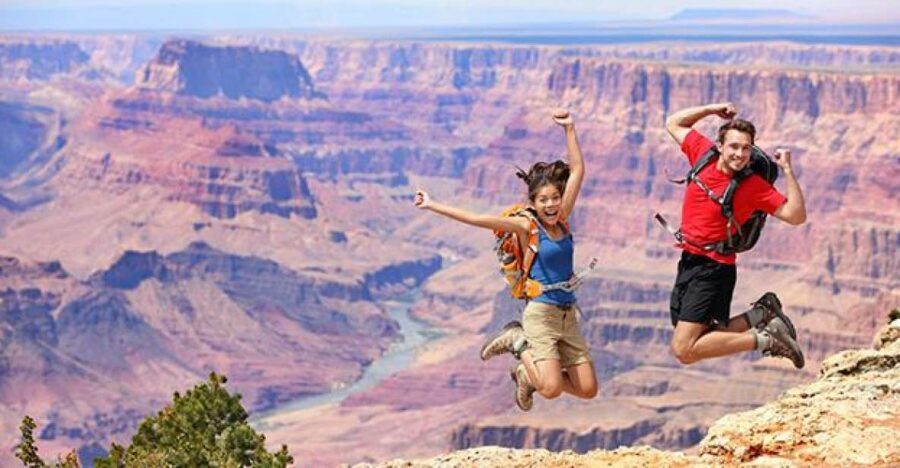
- A scenic route all the way to the canyon, not just a single viewpoint stop
- Desert View and Watchtower Observatory for big panoramic payoff
- East Rim and South Rim viewpoints with a guided, timed plan
- Historic Cameron Trading Post for genuine Native American shopping
- A mile-long South Rim nature walk (mild effort, optional-light hike style)
- Many guides who keep the day moving without rushing and build in breaks
Starting in Sedona: why this day trip feels like more than a transfer
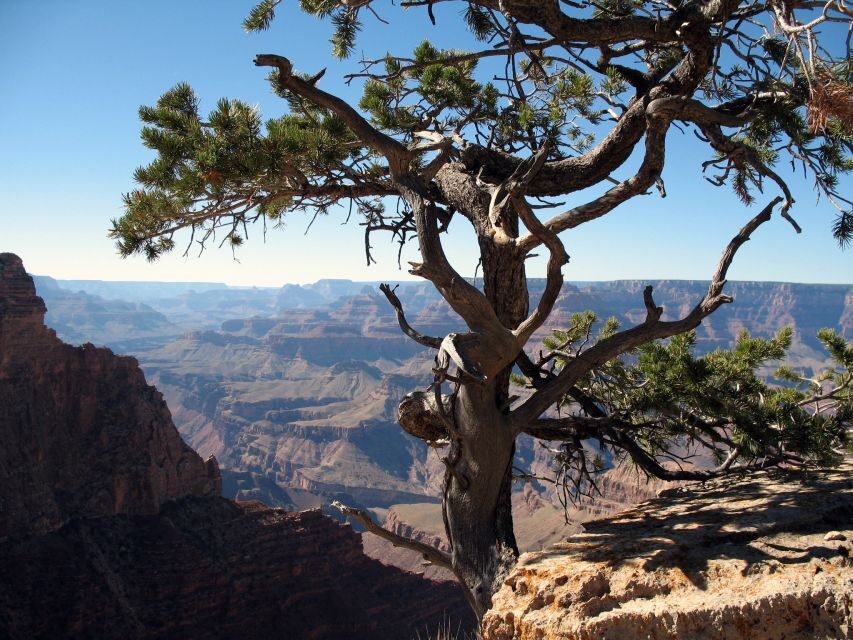
If you’re basing in Sedona and want the Grand Canyon without turning your day into a self-drive stress test, this tour makes a lot of sense. The schedule is built for maximum viewing time once you arrive, but the real bonus is the drive itself. You travel through red rock scenery, then hit Oak Creek Canyon, a top scenic route that changes texture and color as you go.
Then it’s on to the Flagstaff area and through Ponderosa Pines, with the San Francisco Peaks appearing along the way. You’re not just passing through; your guide points out what you’re looking at so the long road doesn’t feel like dead time. People consistently mention that guides such as Andrea, Rasa, Al, and Ed keep the drive entertaining and useful—one of the biggest reasons this tour earns its high scores.
The time commitment is real, though. You leave Sedona early (around 7 to 7:30 a.m.) and return around 6 to 6:30 p.m. That’s exactly what you need for a full canyon day, but it also means you’ll want a normal breakfast plan, comfy clothes, and a camera ready for stop points.
Other Grand Canyon tours from Sedona we've reviewed
The drive route: Oak Creek Canyon, Flagstaff pines, and the San Francisco Peaks
This tour’s route is one of its quieter selling points. Most day trips from Sedona would focus on getting you to the canyon fast. Here, you get a sequence of very different visual zones—red rock, canyon-like corridors, pine forest vibes, and then the mountain backdrop feel around Flagstaff.
Why you’ll care: the Grand Canyon can feel overwhelming on first sight, and having a guide explain the surrounding region helps it click faster. When you roll into the park, you’re already thinking about geology, elevation shifts, and why the canyon looks the way it does. Guides often use simple storytelling and frequent location callouts, so you don’t miss turns of scenery.
One practical plus from the reviews: the day includes plenty of break opportunities. More than once, people mention the tour never felt rushed and bathroom stops were handled well. One group even noted 10 restroom breaks over the day—proof that the operation is tuned for comfort on a long route.
Navajo Reservation stop and Cameron Trading Post shopping that actually feels real
Between Sedona-area scenery and the canyon, you get a stop at the Historic Cameron Trading Post on the Navajo Reservation. This matters because it’s not just a quick tourist stop with generic souvenirs. The trading post is a place you can browse for Native American craftsmanship while your guide talks about the area and cultural context.
What I like about adding this stop: it breaks up the travel day and gives you a chance to shop intentionally. You’ll have time to browse and compare items rather than being herded through a single aisle.
The one consideration is that shopping stops can be hit-or-miss depending on how you like to spend your travel time. If you’re the type who prefers scenic pauses over retail, you’ll still be glad to stop here, but manage expectations: you’re going to spend some real minutes in the trading post area.
Desert View and the Watchtower Observatory: your first major canyon wow
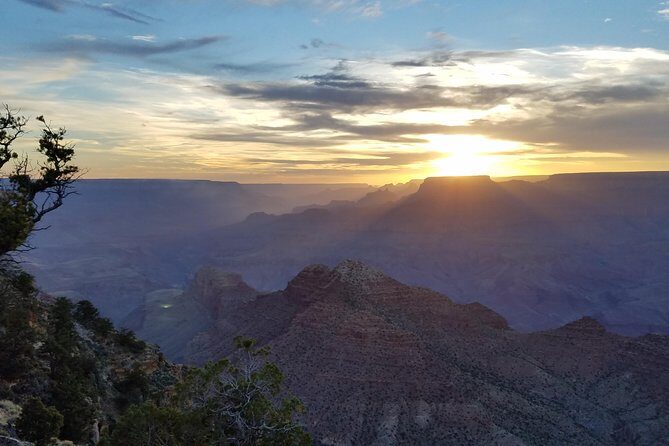
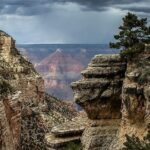
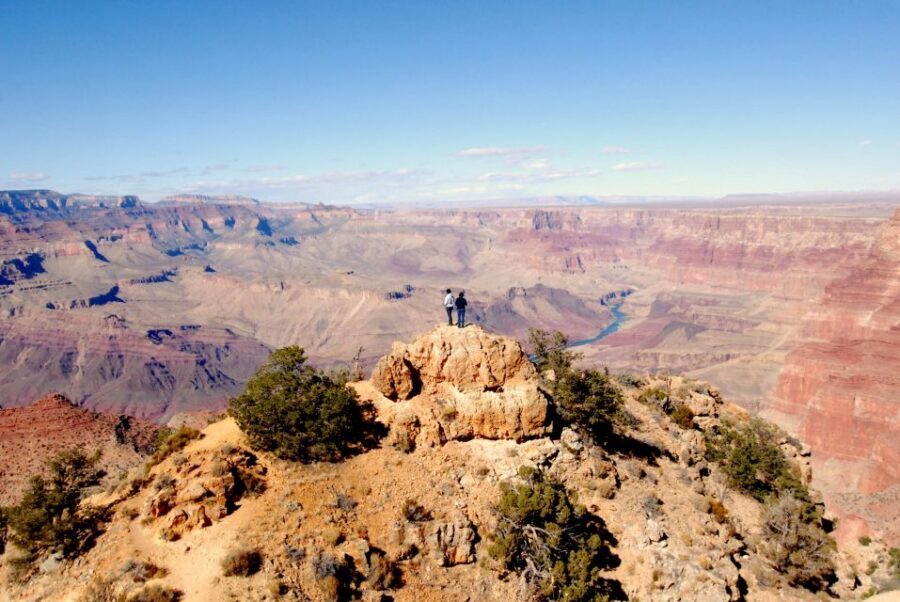
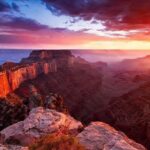
Once you’re inside Grand Canyon National Park, your tour begins delivering those classic “how is this real?” views. The first big set-up is at Desert View, one of the park’s standout viewpoints on the canyon’s edge.
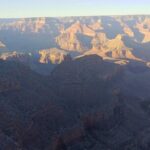
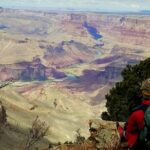
This is your intro to scale—how the canyon walls stack, how the Colorado River corridor cuts through, and how light shifts across rock layers. If you’ve ever seen pictures online, this is where you understand why photos can’t fully translate size and depth.
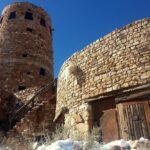
Next comes the Watchtower Observatory. Climbing to the top is a key moment on this itinerary because it gives you a higher perspective—great for panoramic understanding and for capturing photos that show the canyon stretching out in multiple directions.
If you want a practical photo tip: bring your camera settings ready before you climb. The higher vantage point tends to reward patience and quick adjustments, especially during changing late-morning light.
East and South Rims: more angles, less guesswork, and the best “walk with a view” moment
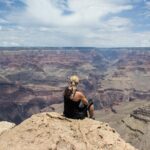
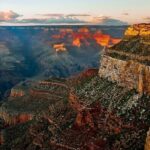
After Desert View, the tour continues to the East and South Rims, which is where you’ll feel the itinerary get smarter. The canyon is not one viewpoint; it’s a whole system of angles. With guided timing, you’re hitting multiple segments instead of camping at a single overlook.
South Rim time is also where the tour builds in a signature stretch: a mile-long nature walk along the South Rim. This is listed as mild physical activity, and it’s framed as a light hike option for viewing. You’re not doing technical trail work, but you are doing real walking on uneven park paths.
Why this part is worth it: overlooks are impressive, but walking a guided route helps your eyes learn the canyon. It’s easier to spot details in rock texture and erosion patterns when you’re moving. And since your guide stays with the group, you won’t be stuck trying to interpret signs and trail choices on your own.
One review theme I value: many people mention guides taking short walks from lookouts and responding to questions on the spot. That turns the “walk with a view” from a checkbox into an actual experience.

Grand Canyon Village time: historic buildings, your lunch plan, and breathing room
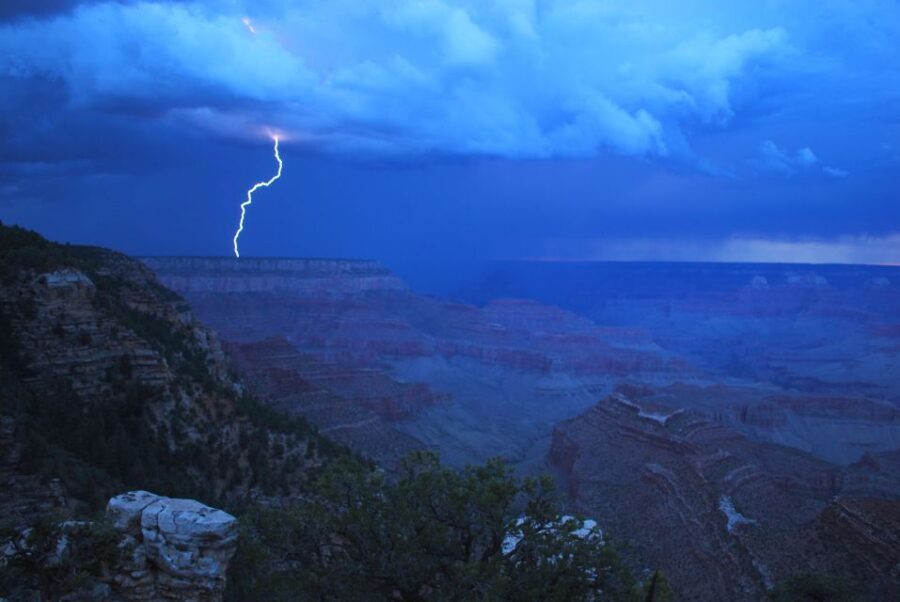
After the canyon viewpoints and the walk, you get optional time to explore Grand Canyon Village. This is the part of the day where you can switch gears—less looking outward, more wandering around and taking in the park buildings.
Lunch is not included, but the tour provides time to eat on your own at Grand Canyon Village. That matters because it gives you flexibility: you can choose what fits your pace and preferences instead of being limited to a fixed group meal.
If you’re deciding what to do with the Village time, here’s a simple approach: pick one or two things to see, then give yourself a slow loop. It’s tempting to sprint for photo stops, but the calmer pace often leads to better moments—like spotting historic structures and settling into the park atmosphere before the long ride back.
Choosing shared vs private: how group setup changes your day
This tour offers shared or private experiences. That’s not just a pricing tweak; it changes how the day feels.
In a shared setup, you’re more likely to follow the group’s pace, and you benefit from the guide’s ability to keep everyone synchronized across viewpoints and restroom stops. In a private or small group setup, you usually get more room for questions and slower photo time—especially helpful if you’re the type who likes to ask “why does it look like that?” while you’re standing there.
Either way, the consistent praise is that the guides manage the itinerary well and keep the day from feeling chaotic. People also mention comfortable vans with big windows, which is a practical advantage when you’re doing a long drive and want to see scenery through the ride.
What to bring (and what to skip) for a smoother Grand Canyon day
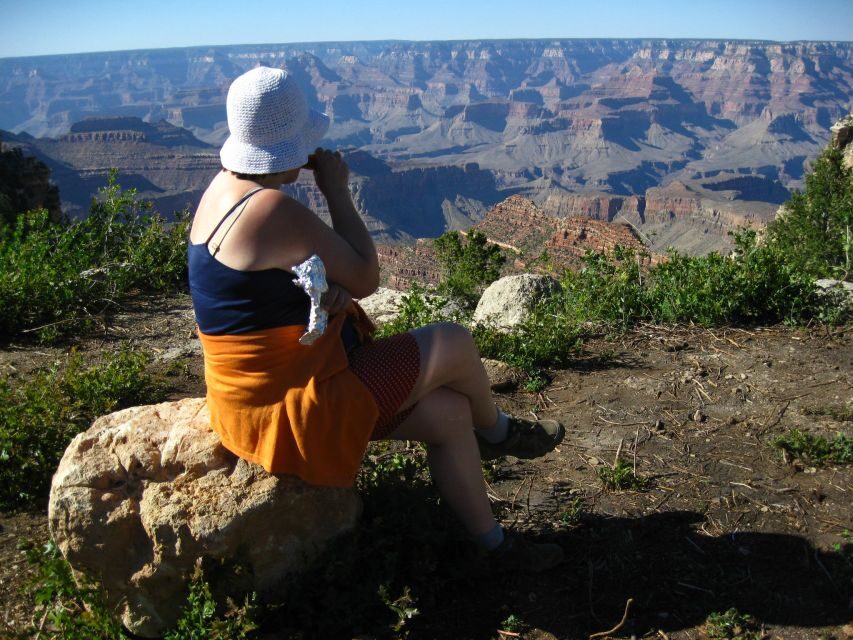
This is one of those days where being slightly prepared makes everything easier.
Bring:
- Comfortable shoes for the South Rim walk
- Sunglasses and a sun hat (park sun can be bright)
- A camera (you’ll want it for Desert View, Watchtower, and Rim overlooks)
Not allowed:
- Pets
- Luggage or large bags
Why I care about these rules: the tour moves through active points with limited space, and you’ll feel the difference if you show up with big items. Light travel makes it easier to stay comfortable between stops.
Price and value check: why $191 can make sense for a full canyon hit
At $191 per person for an 11-hour day, the price can feel steep at first glance—especially if you’re thinking about self-driving. But this tour includes several things that add up when you do them on your own: hotel pickup and drop-off, a professional guide, and park admissions.
You’re also getting a planned sequence of major stops—Desert View, Watchtower, East and South Rim viewpoints, a mile-long nature walk, and time at Grand Canyon Village—without the stress of finding parking, figuring out timing, and managing viewpoints across a long drive.
There’s also the “value of knowing where to look” factor. Many reviews mention guides like Kurt, Stevee, Sheldon, and Brian keeping the day interesting with site explanations and route insights. When that happens, the canyon isn’t just scenery; it’s context. That’s the part that often justifies the cost for first-timers, especially if you only have one day.
Who this tour suits best (and who should look elsewhere)
This is a good fit if you:
- Want a first-time Grand Canyon introduction without navigating roads and parking
- Prefer a guided pace where viewpoints are handled for you
- Like photo stops plus a light walking component
- Appreciate cultural stops like the Historic Cameron Trading Post
It may not be the best choice if:
- You need wheelchair access (the tour is not suitable for wheelchair users)
- You want a very flexible, self-paced itinerary where you can wander at length without group timing
The mild activity level helps most people manage the day, but the South Rim walk is still walking. If you’re sensitive to distance or time on your feet, bring your comfort items and keep your pace steady.
Should you book this Sedona-to-Grand Canyon classic tour?
I’d book it if you want a structured day that delivers the big Grand Canyon moments—Desert View, the Watchtower viewpoint, East and South Rim angles, plus a guided South Rim walk—while removing the stress of driving and timing. The high rating and the repeated praise for guides (from Kat and Ezra to Rasa and Al) point to the same strength: you’re paying for someone to organize the day and make the scenery easier to understand.
Book it with eyes open if you dislike long travel days or if you prefer lunch plans you control fully. Because lunch isn’t included and the day runs early to late, you’ll get the best results if you come ready for a full-day rhythm.
If you’re trying to see the Grand Canyon in one day from Sedona, this is one of the more straightforward ways to do it well—packed with views, breaks, and guide-led context that helps the canyon feel real, not just seen.
FAQ
What time does the tour depart from Sedona, and when does it return?
The tour departs Sedona daily around 7 to 7:30 a.m. and returns approximately 6 to 6:30 p.m. It runs for about 11 hours.
What parts of the Grand Canyon are included?
You’ll visit viewpoints at Desert View, climb to the top of the Watchtower Observatory, and see both the East and South Rims. The tour also includes a mile-long nature walk along the South Rim and time to explore Grand Canyon Village.
Is lunch included in the price?
No. Lunch is not included, but the schedule allows time to enjoy lunch on your own at Grand Canyon Village.
Is there an extra fee for non-U.S. residents?
Yes. Non-U.S. residents aged 16 and older will be charged an additional $100 USD per person for select national parks. You’ll need to contact the tour company and provide a credit card before the tour date, and bring valid photo ID for residency verification.
What should I bring, and what items are not allowed?
Bring comfortable shoes, sunglasses, a sun hat, and a camera. Pets are not allowed, and there’s no luggage or large bags allowed.
Is this tour wheelchair accessible?
No. The tour is not suitable for wheelchair users.