REVIEW · SEDONA
Perfect Grand Canyon Tour: Local Guides & Skip The Lines
Book on GetYourGuide →Operated by Scenic Sedona Tours LLC · Bookable on GetYourGuide
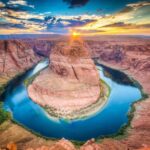
Your first canyon view hits fast. This 9-hour tour turns a long drive into an efficient day, with local guides and skip-the-line access that helps you spend more time seeing and less time stuck. You’ll ride the dramatic descent from Sedona toward Flagstaff, then focus on major South Rim and East Rim viewpoints like Mather Point, Kolb Studio, Desert View, and Yavapai Point.
I also like how the day is built around real context, not just photo stops. Guides such as Josiah and Ed are noted for strong on-the-ground guiding and photo help, while Avery and others share desert stories (including Kokopelli) and even geology-focused explanations, which makes the canyon feel easier to read.
One drawback to plan for: it’s a packed schedule in a single day, so you won’t get the slow, linger-at-one-view experience. Also, food and drinks aren’t included, so you’ll want to think ahead for what you’ll bring or how you’ll handle hydration.
In This Review
- Key highlights worth booking for
- Entering the day: Sedona pickup and how the route moves
- The drive from Sedona toward Flagstaff: Oak Creek Canyon’s steep storytelling
- Kickstand Kafe break: legs, restroom, and that to-go lunch timing
- First rim moments: Mather Point and why it’s the best opener
- Kolb Photography Studio: more than a rim house
- Hopi House: pueblo-style details and the Fred Harvey craft market
- Desert View Watchtower (1932): Mary Colter’s “Architect of the Southwest” viewpoint
- Yavapai Point and the Yavapai Geology Museum: learn while you look
- The other rim stops that fill out the picture
- Skip-the-line strategy and the value of a local guide
- Price and logistics: is $189 per person worth it?
- Who this tour suits best (and who should think twice)
- Should you book this Grand Canyon day trip?
- FAQ
- How long is the Perfect Grand Canyon Tour?
- Where does the tour start in Sedona?
- What is the price per person?
- Is skip-the-line access included?
- What’s included for meals?
- Is there restroom and break time during the day?
- What language is the live tour guide?
- Is the tour wheelchair accessible?
- Which Grand Canyon viewpoints are included?
- Can I cancel and get a full refund?
Key highlights worth booking for
- Oak Creek Canyon scenic drive plus a big 4,500-foot descent sets the mood early before you even reach the rim
- Kickstand Kafe in Flagstaff gives you a restroom and stretch break plus a to-go lunch you’ll eat later with canyon views
- Hopi House connects you to pueblo-style dwellings and Fred Harvey’s craft-market story
- Mather Point and Kolb Photography Studio cover classic rim views and the Kolb brothers’ adventure legacy
- Mary Colter’s 1932 Desert View Watchtower delivers a standout architectural viewpoint
- Yavapai Point with Yavapai Geology Museum helps you understand what you’re looking at on the edge
Entering the day: Sedona pickup and how the route moves
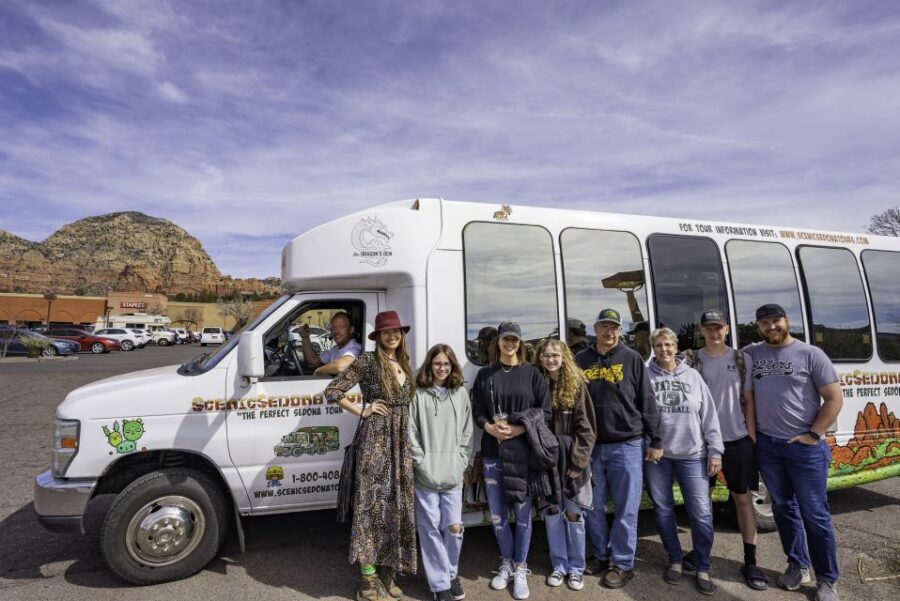
The tour starts at The Dragon’s Den in Sedona (1710 W State Route 89-A Unit 1). There’s free all-day parking in the lot, and you’re set up for an easy start near a coffee and breakfast spot next door, EarthLove Organic Kitchen.
From there, you’re on bus/coach for the long pull up and out, and you’ll spend a big block of time at the Grand Canyon itself. The key point: the schedule is designed to minimize dead time. Instead of arriving and then wandering in circles trying to find the next spot, you follow a set flow through the rim areas where the main viewpoints are concentrated.
If you're still narrowing it down, here are other tours in Sedona we've reviewed.
The drive from Sedona toward Flagstaff: Oak Creek Canyon’s steep storytelling
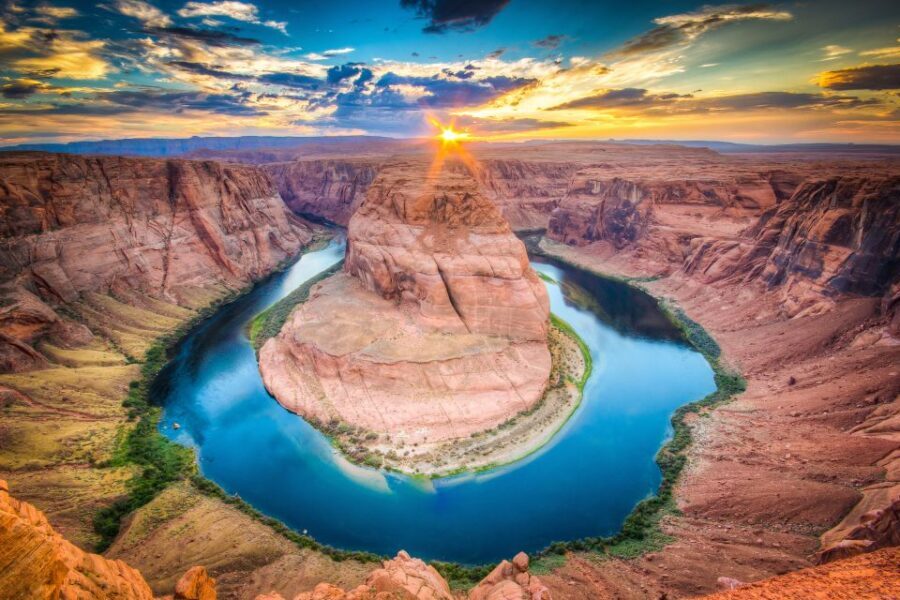
One of the smartest parts of this day is the early scenic drive. Between Sedona and Flagstaff, you’ll take Oak Creek Canyon Scenic Drive (Route 89A), a roughly 24-mile stretch that drops about 4,500 feet from the Mogollon Rim.
Why this matters: when the descent is that big, the scenery changes fast. You’re not just traveling—you’re getting your first real “this is why people come” view before the canyon even enters the frame. The road winds through sandstone canyons and rock formations around many curves, so even if you’re not the kind of person who loves driving, you’ll still feel like you’re sightseeing.
Kickstand Kafe break: legs, restroom, and that to-go lunch timing
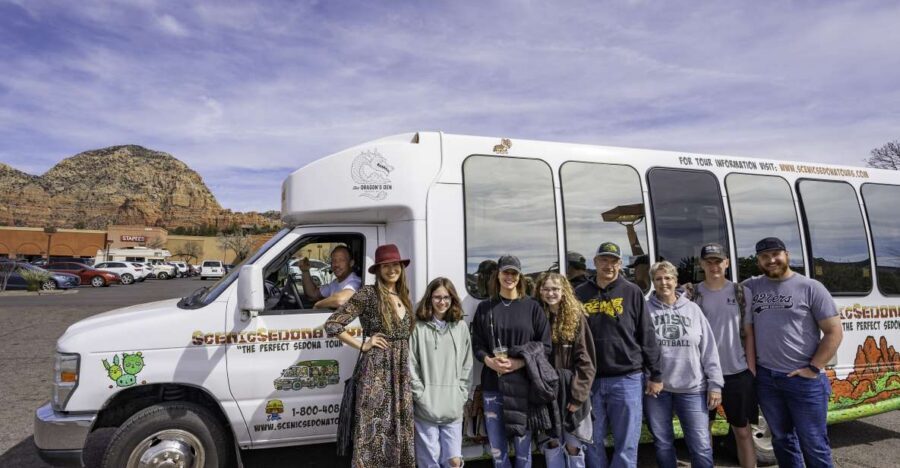
You stop in Flagstaff at Kickstand Kafe. The practical goals are clear: stretch your legs, use the restroom, and grab a to-go lunch.
The better part is the timing. You’ll carry that lunch and enjoy it later while overlooking the Grand Canyon. That’s a simple trick, but it’s a big upgrade from the usual “eat something in transit” routine.
Since food and drinks aren’t included, I’d treat that lunch as your main meal plan for the day. If you’re sensitive to timing or want a specific drink (coffee, tea, electrolytes), plan to bring it or buy it at your own pace before the tour food situation kicks in.
First rim moments: Mather Point and why it’s the best opener
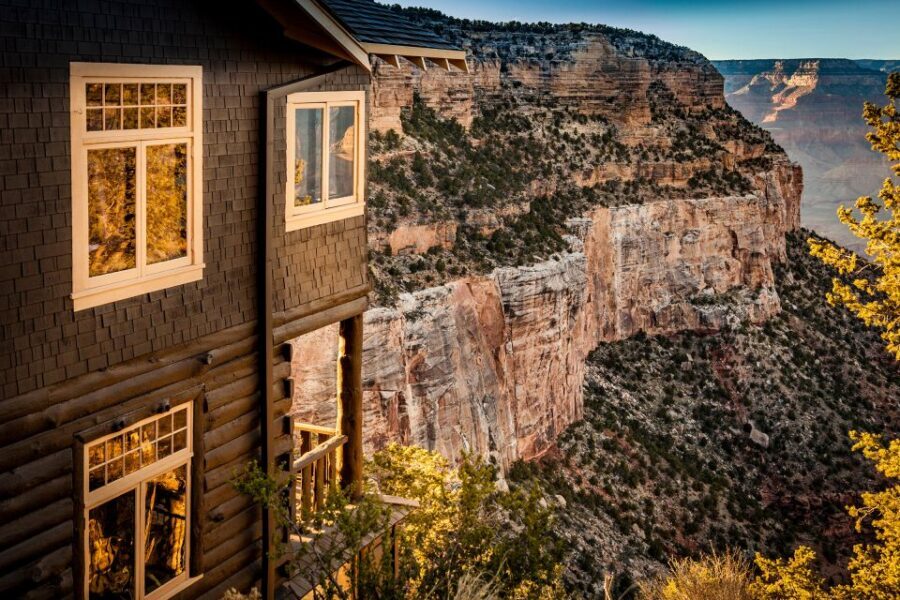
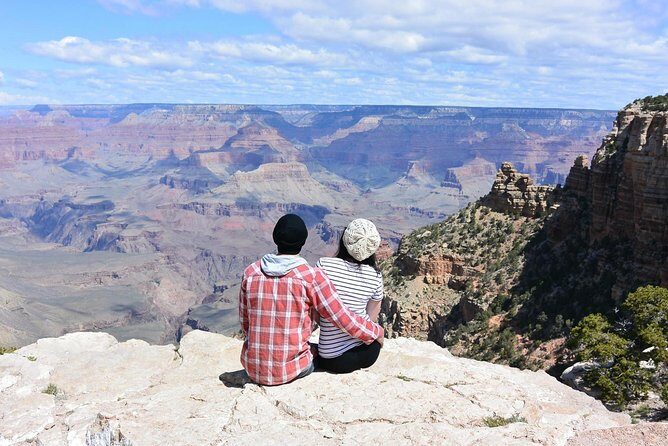
Once you reach the South Rim area, the tour begins building your mental map right away. Mather Point is often your first big canyon reveal, and it’s easy to access: a short walk from the visitor center area and parking lots 1–4.
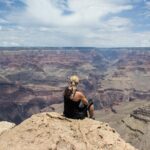
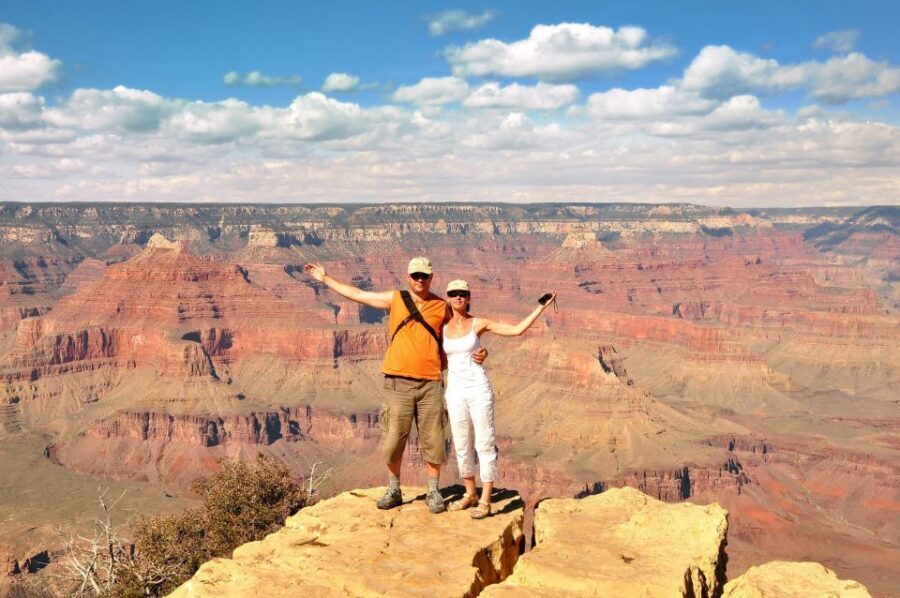
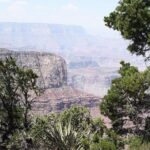
This is where the views give you scale. On a clear day, you can see 30+ miles east and 60+ miles west. Looking down, you may spot small sections of the Colorado River, Phantom Ranch at the canyon bottom, and the crisscrossing trails that help you understand how the canyon is carved and traversed.
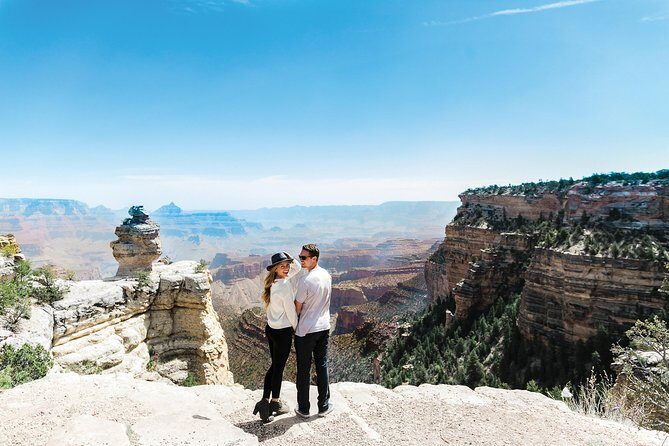
Practical tip: if you’re the group who wants photos, use the time here to get both a wide shot and a “from-this-height” shot. Mather Point gives you the kind of reference that makes every other viewpoint later feel easier to interpret.
Kolb Photography Studio: more than a rim house

After Mather Point, you’ll spend time around Kolb Photography Studio. At first glance, it can seem like just an old house perched on the rim. The difference comes when you look closer—inside, or from the perspective of the rim trails.
The studio is tied to the Kolb brothers, known for adventure, exploration, and a lasting family legacy connected to the canyon. You’re not just looking at a photo museum; you’re meeting a chapter of how the Grand Canyon became a place people chased with curiosity and cameras.
For photography fans, this stop is useful because the rim framing is part of the story. You’ll get both a heritage angle and a “look how the canyon sits under the sky” angle in the same visit.

Hopi House: pueblo-style details and the Fred Harvey craft market
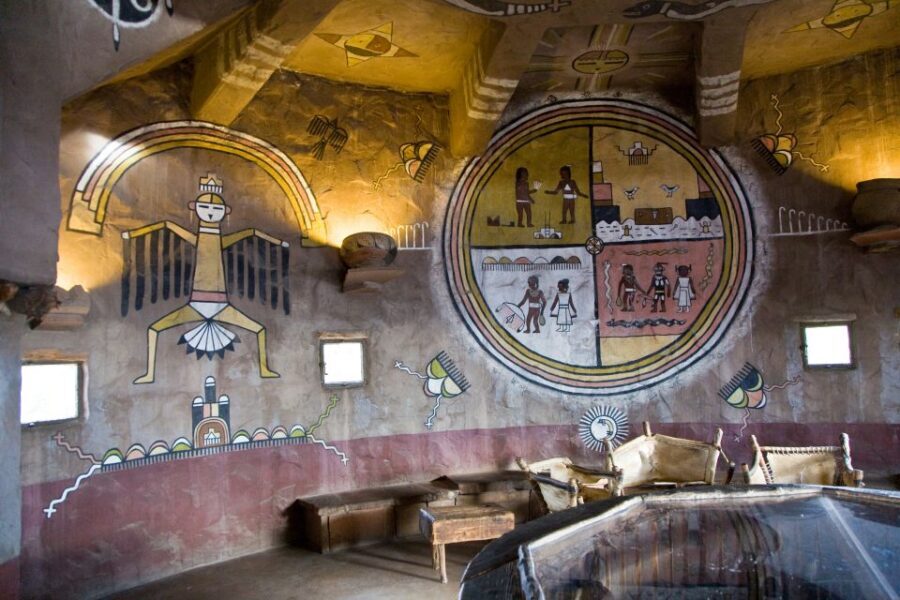
A standout cultural stop on this tour is Hopi House, modeled after the pueblo dwellings of the Hopi Village. The theme is “pueblo-style design,” and the story goes further than that.
Hopi House was built by the Fred Harvey Company as a market for Native American crafts, with artisans making items on the site. So you’re not just walking through a set of buildings—you’re seeing a specific moment in how craft markets and tourism intersected in the early 20th century.
Why it’s worth your time: the Hopi House stop adds context that changes how you look at the canyon’s human story. It reminds you that this region isn’t only about geology and views. It’s also about communities, traditions, and place-based identity that predate tourism infrastructure.
Desert View Watchtower (1932): Mary Colter’s “Architect of the Southwest” viewpoint
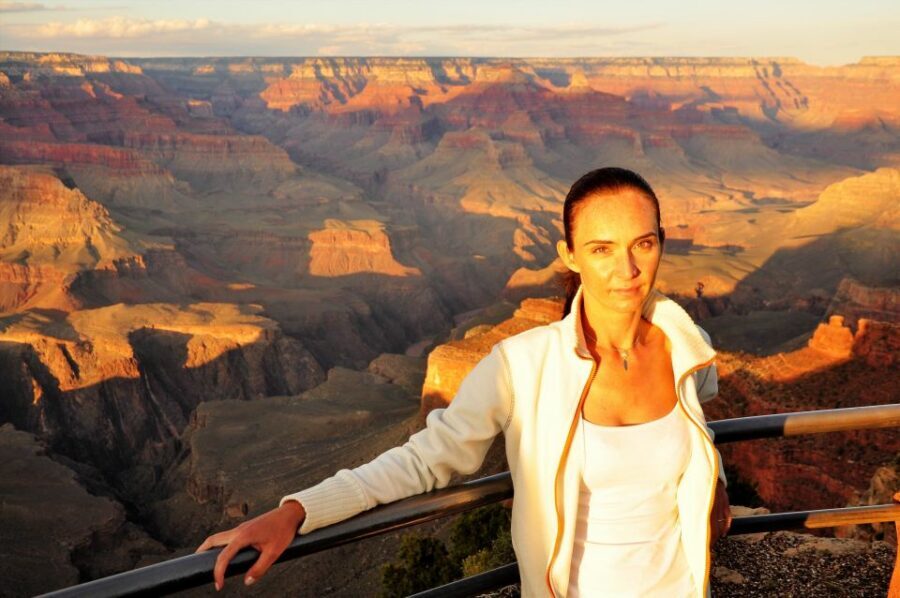
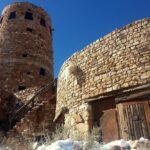
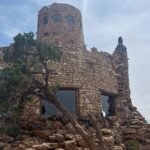
Next up is Desert View Watchtower, constructed in 1932 and designed by Mary Colter, often referred to as the Architect of the Southwest.
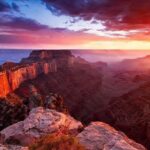
This is described as a 70-foot-tall circular stone structure perched on the South Rim near the eastern edge of Grand Canyon National Park. The viewpoint also lines up with the regional shift where the Colorado River begins turning north and where the Painted Desert stretches toward the Navajo and Hopi Reservations.
Translation for your day: this stop is less about one exact photo angle and more about giving you a panoramic sense of the canyon’s surroundings—where the canyon system meets the wider desert world.
Practical note: because this is a dramatic viewpoint stop, dress for wind and cooler temps even in warmer seasons. Rim edges tend to feel exposed, and it’s usually breezier than you expect.
Yavapai Point and the Yavapai Geology Museum: learn while you look
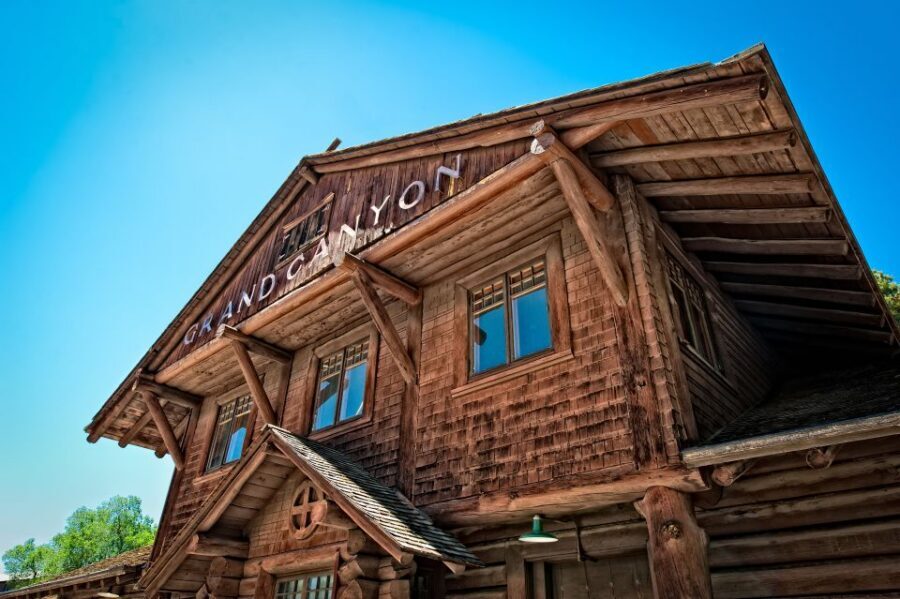
If you want the canyon to stop feeling like a single giant “wow” and start feeling like a readable natural diagram, spend time at Yavapai Point and the Yavapai Geology Museum.
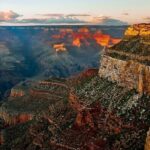
Yavapai Point is perched right on the very edge of the canyon rim, and the museum gives you an overview that matches what you’re seeing outside. This is one of the best places on a short-day itinerary to connect the view to the how-and-why: layers, erosion, and the story the rock formations are telling.
Even better, the location helps with composition. When you’re on the edge, your brain understands scale quickly. Then the geology explanations (especially from a guide who can connect it to real features) make the view stick.
The other rim stops that fill out the picture
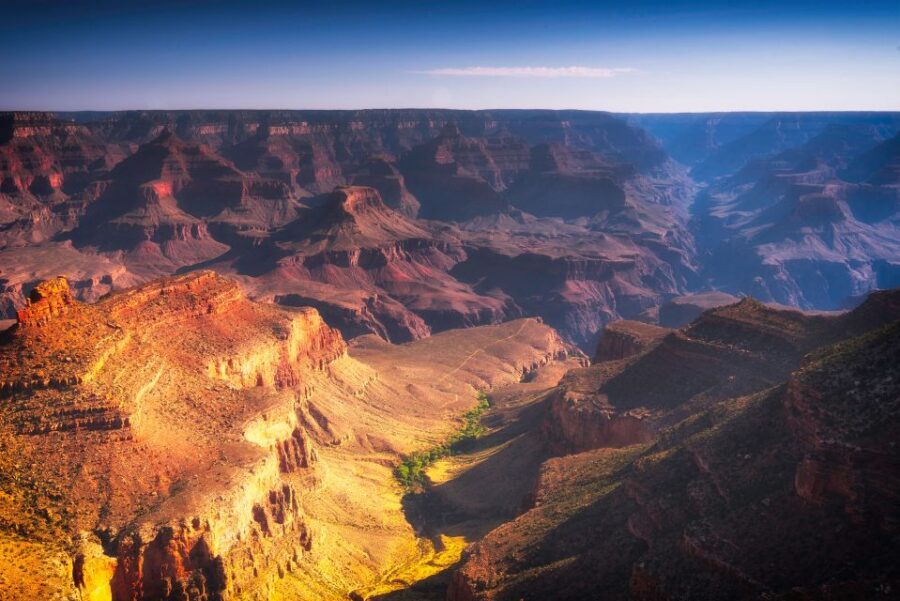
Your day also includes stops connected to the rim experience and canyon history, including places like Bright Angel Lodge, Hermit’s Rest, and Lookout Studio. You’ll also have passes connected to areas such as Phantom Ranch, plus structures like Colter Hall and Victor Hall (noted as employee dormitories).
You might not get long hangs at every single place, but the benefit of including them is variety. You see different architectural styles, different vantage types, and a sense of how the rim functions as a living visitor corridor.
Skip-the-line strategy and the value of a local guide
This tour’s promise is simple: do more with less hassle. It includes skip-the-line access via a separate entrance, and it relies on a local guide to route you efficiently so you’re not stuck guessing where to go next.
The guide component is where you really feel the difference. In past groups, guides like Josiah have been praised for taking people to the great spots and helping with photos. Avery is called out for desert facts and story-telling (including the Kokopelli legend). And a German-language review noted a guide with training as a geologist, with explanations that were clear and detailed.
Also worth noting: at least one review highlights support for a disability accommodation, which is an important reality check that this isn’t just “sit and look.” If you want a day where someone is paying attention to how you’ll move, this is the right style of tour to consider.
Price and logistics: is $189 per person worth it?
At $189 per person for a roughly 9-hour day, you’re paying for four things at once:
- A guided loop that hits the key rim viewpoints in one day
- Skip-the-line handling so you lose less time
- Built-in context so you understand what you’re seeing
- Transportation from Sedona, plus an actual meal plan (the to-go lunch used later)
If you tried to DIY this route from Sedona without a plan, the biggest hidden cost is time and stress—parking, line-ups, and deciding which points are worth your limited hours. With this tour, that decision fatigue is handled for you, and the day is structured around rim priorities.
The tradeoff is freedom. You’re moving in a group pace with limited time at each stop. If you want a slow hiking day or long photo sessions with minimal interruptions, you may feel constrained.
Who this tour suits best (and who should think twice)
This is a great fit if you:
- Want the major Grand Canyon highlights in one day
- Prefer guided storytelling over reading signs alone
- Like having someone help with photos and timing
- Appreciate a cultural stop like Hopi House alongside viewpoints
- Are okay with a busy schedule and short breaks between major stops
You might think twice if you:
- Want long, uninterrupted time on one trail or one specific viewpoint
- Get cranky about traveling for most of a day (even scenic traveling)
- Have very specific food/drink needs, since food and drinks aren’t included
Should you book this Grand Canyon day trip?
Book it if your goal is a high-impact Grand Canyon day with real guidance and efficient routing. This is especially appealing if you’re visiting from Sedona and want the “big day” without the stress of parking, figuring out timing, and juggling too many stops.
Skip it if you’re the type who needs slow time, extra flexibility, or a self-paced plan. With a single-day format, the tour hits many major points—but it won’t feel like a long sit-down, one-view-at-a-time visit.
If you’re deciding between DIY and a guided loop, I’d lean guided here. The combination of the scenic descent from the Mogollon Rim, the guided rim sequence (Mather Point through Desert View and Yavapai), and the skip-the-line approach is built for people who want the canyon experience to feel full without consuming your entire vacation.
FAQ
How long is the Perfect Grand Canyon Tour?
The tour lasts 9 hours.
Where does the tour start in Sedona?
You meet inside The Dragon’s Den at 1710 W State Route 89-A Unit 1, Sedona, Arizona.
What is the price per person?
The price listed is $189 per person.
Is skip-the-line access included?
Yes. The tour includes skip the line through a separate entrance.
What’s included for meals?
The tour includes a beautiful outdoor group lunch, but food and drinks are not included.
Is there restroom and break time during the day?
Yes. You stop in Flagstaff at Kickstand Kafe to stretch your legs and use the restroom.
What language is the live tour guide?
The live tour guide speaks English.
Is the tour wheelchair accessible?
Yes, the tour is listed as wheelchair accessible.
Which Grand Canyon viewpoints are included?
Key stops include Hopi House, Mather Point, Kolb Photography Studio, Desert View Watchtower, and Yavapai Point with the Yavapai Geology Museum.
Can I cancel and get a full refund?
Yes. You can cancel up to 24 hours in advance for a full refund.