REVIEW · SEDONA
Sedona/Flagstaff: Grand Canyon Day Trip and Sunset
Book on GetYourGuide →Operated by Arizona Tour & Travel · Bookable on GetYourGuide
Grand Canyon sunset hits harder with a plan. This Sedona/Flagstaff day trip pushes you from the Colorado Plateau up into pine country, then lines up East and South Rim viewpoints before the sky goes orange.
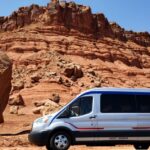
I love that you ride in a small, air-conditioned 14-person vehicle with hotel pickup, so the day feels personal instead of chaotic. I also love the guide-led pacing: when guides like Brad, Charlie, or Ezra take the microphone, you get the big views plus practical photo and history pointers, including picture-ready stops.
One possible drawback is sunset timing. The day runs long, and you’ll usually leave soon after the sun drops, even though some of the best colors can hang around for a little longer.
In This Review
- Key things worth knowing before you go
- A sunset Grand Canyon day trip that actually feels planned
- Small-group comfort: Sedona or Flagstaff pickup without the circus
- From plateau to pine forest: why the drive is part of the show
- The Navajo Nation approach and the Cameron Trading Post stop
- First canyon views at Desert View, then South Rim panoramas
- The Phantom Ranch and Kaibab Suspension Bridge viewpoint connection
- Dinner after sunset: planning for your own meal
- Sunset at the Grand Canyon: where the day turns into a memory
- Guides who make the ride: Brad, Charlie, Steve, Ezra, Al, Sheldon
- Price and value: what $240 buys you (and what it doesn’t)
- Practical tips so you’re not scrambling at the rim
- Who this tour is perfect for
- Should you book this Sedona/Flagstaff Grand Canyon sunset day trip?
- FAQ
- How long is the Sedona/Flagstaff Grand Canyon sunset day trip?
- What’s included in the tour price?
- Is dinner included?
- Do non-U.S. residents pay an extra fee?
- Do children need car seats or boosters?
- How big is the group?
Key things worth knowing before you go
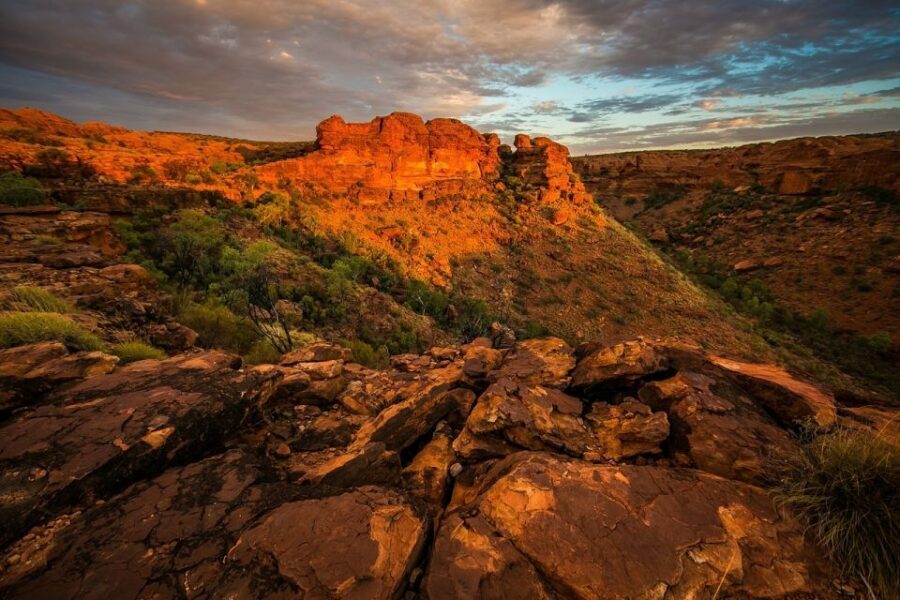
- Small group setup: limited to 14 people, which makes viewpoint stops feel less crowded.
- Two-rim sightline: you’ll hit South Rim viewpoints and see how the North Rim fits into the story from across the canyon.
- Cameron Trading Post: a stop on Navajo tribal land where you can browse Native American craftsmanship.
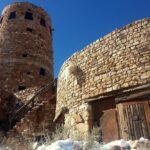
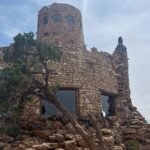
- Desert View first sight: you get an early Grand Canyon introduction at the East entrance area.
- Sunset with guidance: the guide takes you to a spot and helps with timing and (in cold weather) comfort.
A sunset Grand Canyon day trip that actually feels planned
If you’ve ever tried to time Grand Canyon sunset on your own, you know the problem: the canyon changes by the minute, and parking lines eat your sunlight. This tour handles the hardest part for you—moving you through the park with a tight plan—so you can focus on looking, listening, and shooting photos.
What makes this one work is the blend: you start with the approach (Colorado Plateau, pine forest, volcanic country), you get multiple rim viewpoints across different angles, and then you end at a sunset location selected for the light. The result is less random driving and more “okay, I see what I’m supposed to be seeing.”
Other sunset and sunrise tours we've reviewed at the Grand Canyon
Small-group comfort: Sedona or Flagstaff pickup without the circus
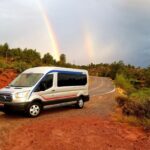
The tour is built around an intimate vehicle: air-conditioned, with seating for no more than 14 passengers. That matters because the day is long—about 8.5 hours—and your comfort directly affects how much you enjoy those late-afternoon canyon moments.
If you’re starting in Sedona, the day begins as you climb the Colorado Plateau through Oak Creek Canyon. Over about 27 miles of winding roads, you leave the red rock behind and climb roughly 2,000 feet to taller Ponderosa Pines. It’s a nice rhythm: the canyon experience starts before you ever reach the park gates.
If you’re starting in Flagstaff, you’ll pick up there after the first leg and then head through the region past the San Francisco Peaks, described as dormant volcanoes on this route. Either way, the goal is the same: keep things smooth, keep the narration going, and arrive without everyone feeling like they’re late.
From plateau to pine forest: why the drive is part of the show
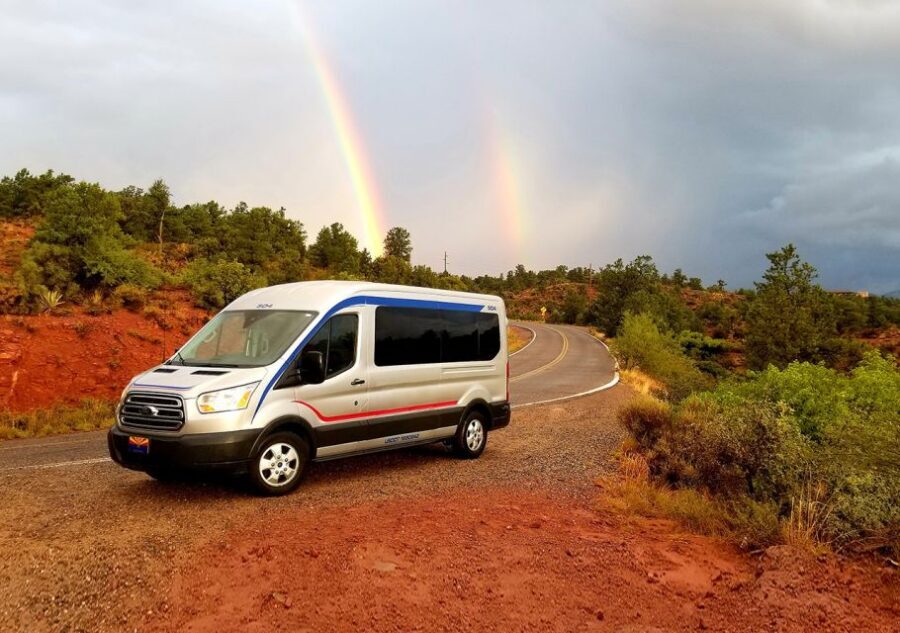
This is the kind of day trip where the drive isn’t just travel time—it’s context. As you climb from Oak Creek Canyon toward higher elevation ponderosa pine, you’re essentially walking your way through a different Arizona feel. In other words, the Grand Canyon doesn’t land as a random stop. It arrives as the climax of a gradual change.
You also get guided narration while you ride, so you’re not stuck watching trees for hours. The best guides use the scenery to explain what you’re seeing: geology basics, regional ecology, and how the canyon fits into a much larger system.
I’ll be blunt: if you dislike long road days, this might feel like more time than you want. But if you like feeling oriented—like you understand what you’re looking at—this drive is exactly the setup you’ll appreciate later at the rim.
The Navajo Nation approach and the Cameron Trading Post stop
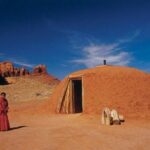
One of the most interesting parts of this tour is how it introduces the canyon from the Navajo Nation side. After you reach the East entrance area, you’ll see the Little Colorado River Gorge and the western edge of the Painted Desert. That “in-between” scenery is where the Grand Canyon region starts to make sense beyond a single overlook.
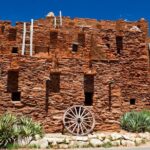
Then you visit Historic Cameron Trading Post on Navajo tribal land. This stop is about more than souvenirs, though you can absolutely browse. The big value is that you’re stepping into a place that’s tied to Native craftsmanship and regional culture, not just a gift shop stop squeezed between viewpoints.
If you care about respectful travel, this is a decent moment to slow down. Look closely at materials and patterns, ask questions if the staff is available, and remember: this isn’t a modern roadside stop with random trinkets—it’s a working trading post with a long presence in the area.
First canyon views at Desert View, then South Rim panoramas
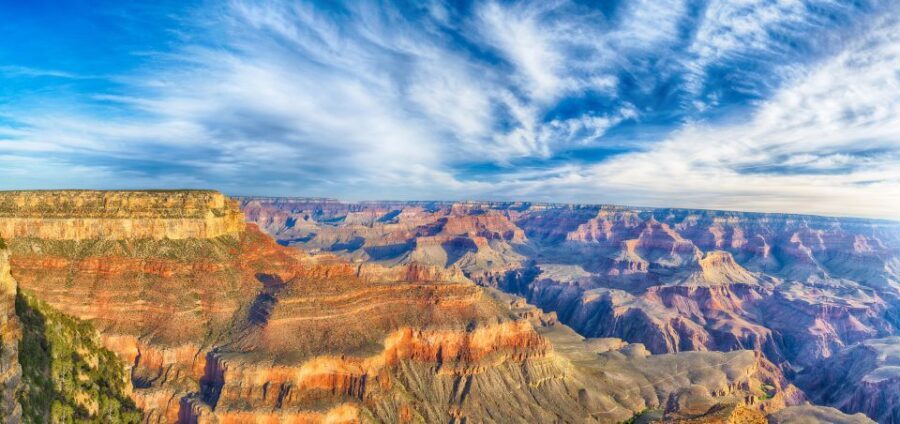
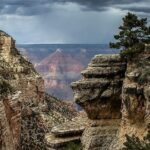
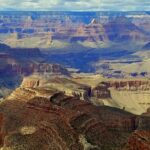
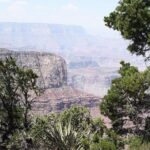
Your first true Grand Canyon hit comes at Desert View at the East entrance. From there, you work through the park with multiple stops along the South Rim, where you’ll see some of the canyon’s widest and deepest views.
What I like about the South Rim approach on a guided day trip is that you don’t just get one postcard angle. The guide brings you to a sequence of viewpoints so you start noticing differences in depth, color, and how the Colorado River threads through the rock layers.
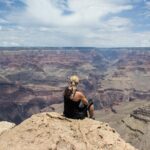
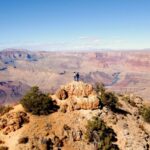
From the South Rim, you can also gaze across roughly 14 miles to the North Rim, which helps you understand the scale. It’s the kind of visual comparison that your brain needs more than just one look to absorb.
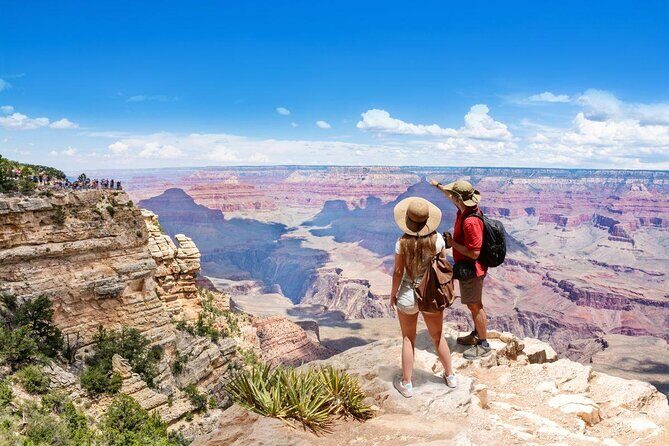
One practical note: rim viewpoints can involve short walks and changing temperatures. Even if you’re mostly sitting in the vehicle, plan to stand outside at each stop. Comfortable shoes beat flip-flops here.
Other Grand Canyon tours from Sedona we've reviewed
The Phantom Ranch and Kaibab Suspension Bridge viewpoint connection
This tour includes a standout “only-here” type of sightline: the stop where you can see both Phantom Ranch and the Kaibab Suspension Bridge from a single vantage point.
Why this is valuable: Phantom Ranch and the Kaibab Suspension Bridge aren’t things you casually spot on a quick drive. Seeing them together helps you connect the canyon’s rim world to the layers below—trail systems, infrastructure, and how people experience the canyon at different elevations.
Also, it’s a rare photo moment. If you like taking pictures but hate wandering randomly, this kind of directed viewpoint saves time and lowers the stress.
Dinner after sunset: planning for your own meal
Dinner is on your own, and it’s timed after the main sunset viewing. The good part: you’re not stuck hunting for food while everyone is tired and hungry. The tour sets you up with restaurant options; at least some days include pre-arranged ordering, and people have specifically called out enjoying places like an Italian spot after a longer day on the road.
Still, because it’s on your own, you’ll want to decide how much you care about the meal. If you want a guaranteed sit-down experience every time, this might not be the right fit. If you’re fine with choosing from a few options and eating something solid to keep your evening energy going, it works well.
Sunset at the Grand Canyon: where the day turns into a memory
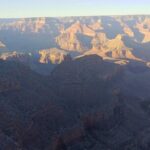
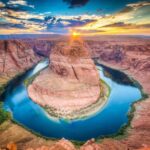
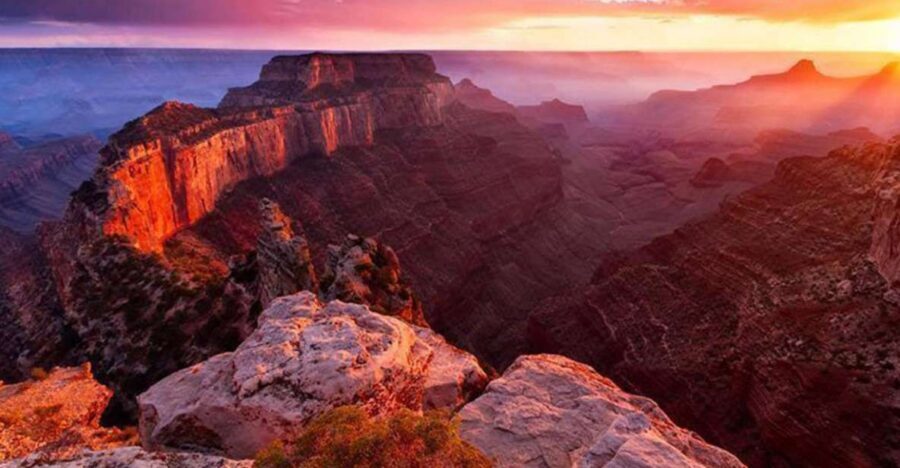
This is the reason you booked. As dusk approaches, the guide brings the group to an ideal spot and helps you watch how colors, shadows, and lighting shift across the canyon walls.
This is also where guide personality matters. In the strongest days, people describe guides like Brad, Charlie, Steve, and Ezra staying engaged the entire ride, then switching into calm, careful direction at sunset—timing, pacing, and making sure you’re positioned for photos.
A few practical details worth keeping in mind:
- Sunset changes fast, so you’ll want to keep your phone camera settings ready.
- If it’s chilly, you might get help staying warm—one person noted blankets provided at colder spots.
- If you’re hoping for the canyon to keep glowing after the sun disappears, this tour may feel a touch short. Several people noted they wanted a bit more time after the sun hit the horizon.
That said, you do see the sunset, and you see it with a plan. For most people, that’s the difference between a good day and a standout one.
Guides who make the ride: Brad, Charlie, Steve, Ezra, Al, Sheldon
This tour earns high marks largely because the guides don’t treat the job like a script. People praised guides for being personable, patient, and tuned into what each group needs.
You may run into:
- Brad: repeatedly praised for friendliness, nonstop engagement, and sharing stories about the canyon region and Native nations tied to the land.
- Charlie: highlighted for being a wealth of information and keeping the group entertained while still being organized.
- Steve / Stevee: praised for strong pacing, frequent stops, and making sure people caught wildlife.
- Ezra: credited for answering questions clearly and keeping the day interesting from start to finish.
- Al and Sheldon: recognized for creating a family-like feel in the group and for helping people notice things they might miss on their own.
Even if you don’t care who your guide is, this matters for you because a great guide turns waiting time into learning time—and helps you avoid the worst viewpoint mistakes.
Price and value: what $240 buys you (and what it doesn’t)
At $240 per person, this is not a bargain bus. But it’s also not just a “get on, get off” sightseeing shuffle. You’re paying for:
- Hotel pickup and drop-off
- All necessary entry fees and permits
- A live guide
- Water
- A vehicle built for a max of 14 people
- The hard part of timing: multiple rim stops and a sunset location
What you don’t get is dinner (it’s on your own), and personal expenses like souvenirs. Also, non-U.S. residents may face an additional $100 per person fee for select national parks (in addition to standard entrance fees), processed in advance through the tour company.
My take on value: if you’re the kind of person who wants to maximize views without spending energy on logistics, this price can feel fair. If you’re comfortable driving and timing the day yourself, you might spend less—but you’d likely trade away narration, planning, and the ability to hit the right viewpoints without guessing.
Practical tips so you’re not scrambling at the rim
Here’s how to set yourself up for an easier day, using what the tour setup implies.
1) Dress in layers. Rim temps can shift fast, and sunset waits for no one. Plan for wind and cooler air.
2) Bring a charging plan. You’ll likely take a lot of photos at multiple viewpoints. If your battery hates cold weather, keep it warm.
3) Use the bathroom breaks. Some guides are great about frequent stops, but you’re still on a long day. Don’t save it for the last minute.
4) Don’t overpack your schedule before pickup. The day begins around late morning to early afternoon from Flagstaff (departure around 12:00–12:30pm) and returns around 8:30–9:00pm. Build in buffer time so you’re not rushing.
5) If you’re traveling with kids, plan ahead. Arizona requires children 8 and under to use a car seat/booster seat, and you must provide it yourself. If you forget, it’s on you.
Who this tour is perfect for
This is a strong fit if you:
- Want a sunset-focused Grand Canyon day without the stress of routing and parking
- Prefer a small-group atmosphere with guided narration
- Enjoy geology and the living side of the canyon (plants and animals), plus how local tribes relate to the land
- Like structured photo stops instead of guessing where to stand
It may be less ideal if you strongly dislike long road days, or if you’re the type who wants endless time at sunset. This tour aims to hit the highlights efficiently—and then move on to dinner and the ride back.
Should you book this Sedona/Flagstaff Grand Canyon sunset day trip?
Yes, if your goal is a guided, high-confidence Grand Canyon day that ends with sunset light and multiple rim angles. The combination of small-group comfort, guided narration, Cameron Trading Post on tribal land, and a planned sunset spot is exactly the “less hassle, more looking” formula that makes the canyon feel special.
I’d book it especially if you don’t want to spend your vacation day fighting logistics. You’ll pay more than DIY driving, but you’ll also get the time and planning advantage—plus guides like Brad, Charlie, Steve, Ezra, Al, or Sheldon, who seem to make the ride fly.
If you’re booking this mainly for one long, slow sunset session, consider that the tour may move you out shortly after the sun sets. In that case, you might still love it, but it’s smart to set expectations.
FAQ
How long is the Sedona/Flagstaff Grand Canyon sunset day trip?
The duration is listed as 510 to 630 minutes, and it departs from Flagstaff daily around 12:00–12:30pm and returns approximately 8:30–9:00pm.
What’s included in the tour price?
It includes hotel pickup and drop-off, all necessary entry fees and permits, a live guide, and water.
Is dinner included?
Dinner is not included. The schedule includes time allotted for dinner on your own after the main sunset viewing.
Do non-U.S. residents pay an extra fee?
Yes. Non-U.S. residents aged 16 and older may be charged an additional $100 USD per person for select national parks, processed in advance by contacting the tour company and providing a credit card.
Do children need car seats or boosters?
Yes. Arizona law requires all children eight years and younger to be in a car seat/booster seat, and you’re required to provide your own.
How big is the group?
The group is small and limited to 14 participants.