REVIEW · LAS VEGAS
Las Vegas:4-Day Grand Canyon, Antelope Canyon, Bryce, Arches
Book on Viator →Operated by VIPTOUR · Bookable on Viator
Four days, four big skies.
This Las Vegas Grand Canyon loop is built for an easy small-group rhythm while still hitting the heavy hitters: Zion, Bryce Canyon, and then the Utah-Arizona photo circuit all the way to the Grand Canyon. I like that the van ride feels manageable thanks to a max group size of 10, and I really appreciate the practical extras like binoculars and onboard Starlink satellite Wi‑Fi so you are not stuck offline in the deep desert.
Here’s the one thing to consider: the schedule is tight, so you’ll spend plenty of time on the road and start early (7:00 am). If you want zero rushing, this may not feel like your style. But if you like checking off major parks without planning a thing, this tour is a strong value.
In This Review
- Key Points You’ll Care About
- Why This Utah-Arizona Loop Works From Las Vegas
- The Van, the Wi‑Fi, and the Early 7:00 am Start
- Day 1: Zion’s Canyon Walls and Bryce’s Open-Air Theater
- Zion National Park (about 2 hours)
- Bryce Canyon National Park (about 2 hours)
- Day 2: Monument Valley’s Movie-Set Look and Arches’ Stone Geometry
- Monument Valley (about 2 hours)
- Arches National Park (about 2 hours)
- Day 3: Antelope Canyon Photo Rules, Horseshoe Bend, and Lake Powell Views
- Antelope Canyon (Lower and/or Upper; about 1.5 hours)
- Horseshoe Bend (about 1 hour)
- Lake Powell (about 30 minutes)
- Day 4: Grand Canyon Time + Optional Helicopter Wow
- Grand Canyon National Park (about 3 hours)
- Optional Grand Canyon Helicopter Tour (about 0.5 hours)
- What Your $1,185 Actually Buys (and What It Doesn’t)
- Photo Tips and Practical Comfort for These Parks
- Should You Book This Las Vegas Grand Canyon Tour?
- FAQ
- Is hotel pickup included, and what time does the tour start?
- How long is the tour and how many days does it cover?
- What’s the group size limit?
- What’s included in the price for meals?
- Is Wi‑Fi provided during the trip?
- Which park admissions are included, and which are not?
- Do I need to pay a non-resident park fee?
- Are tripods or monopods allowed at Antelope Canyon?
- Is the Grand Canyon helicopter tour included?
- What happens if weather is poor?
Key Points You’ll Care About
- Small group (max 10): more breathing room and easier conversations with your guide.
- Starlink Wi‑Fi on board: helpful for maps, messages, and sanity during long stretches.
- Photo-support details: binoculars onboard, and lots of planned stops where you can actually look.
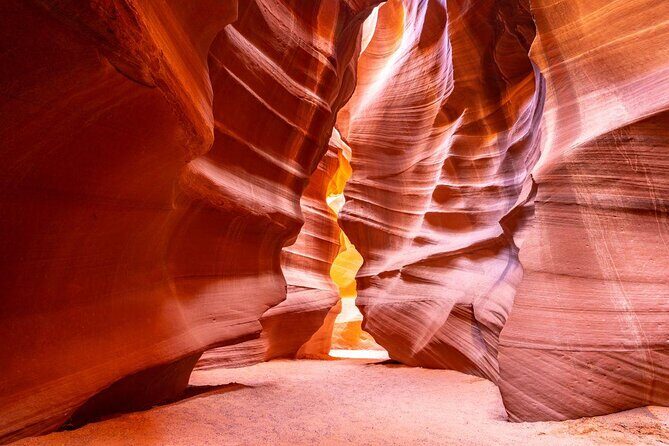
- Antelope Canyon has strict rules: no tripods or monopods when you go inside.
- Most major park admissions are covered: you’re paying for experiences, not hunting ticket booths all day.
Why This Utah-Arizona Loop Works From Las Vegas
This is one of those road-trip tours where the value comes from how the day is stitched together. You’re not just “driving through” places. You get guided time at the big viewpoints and signature spots, then you move on before daylight fades into a blur.
The tour’s biggest strength is pace-with-structure. With a professional guide and a premium touring vehicle, you’re not left guessing where to stand or when to go. Even the reviews point to guides who manage timing well, including one guest who specifically called out guide Jason for taking care of his group (including older travelers) and another who praised the guide/driver’s skill at getting everyone to the right scenes at the right moments.
And yes, the parks in this route are famous for a reason. Zion and Bryce give you dramatic canyon walls and hoodoo-like rock shapes. Then you pivot to the iconic American West look of Monument Valley, switch to Arches’ sandstone geometry, and finish with the Grand Canyon’s sheer scale.
Other Antelope Canyon and Horseshoe Bend combo tours we've reviewed
The Van, the Wi‑Fi, and the Early 7:00 am Start
You start at 7:00 am, and pickup is included from select Las Vegas hotels. That early start matters because it buys you better light and less sitting in traffic when you’re traveling out of the metro area.
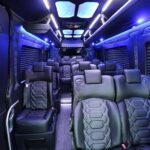
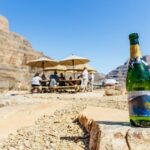
The vehicle is described as a premium NAPPA first-class touring vehicle with commercial insurance, and you get basics that make long days easier: bottled water, light snacks, and that onboard Starlink satellite Wi‑Fi. If you care about navigation, weather checks, or just sending a quick message so you feel connected, this is a real convenience. In the middle of desert country, it can be the difference between “I’ll figure it out” and “I already know.”
Group size is capped at 10 travelers, which usually translates to less chaos at photo stops and more flexibility if your guide needs to adjust on the fly (parking situations, quick pacing changes, and so on).
Day 1: Zion’s Canyon Walls and Bryce’s Open-Air Theater
Day 1 is all about turning “WOW” into a full afternoon.
Zion National Park (about 2 hours)
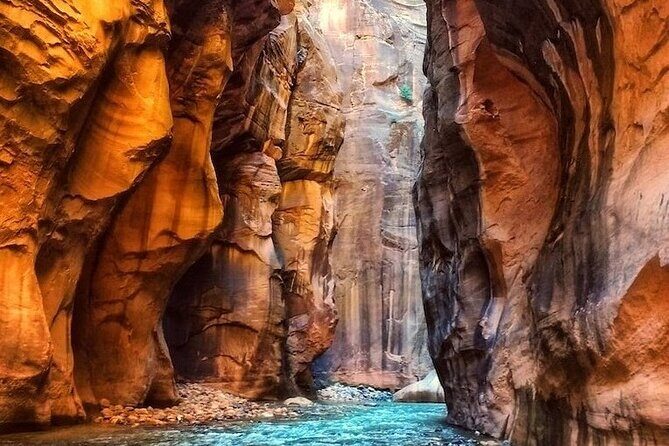
Zion is Utah’s most popular national park for good reason: steep, towering cliffs, a deep valley floor, and a canyon that feels narrow as you look up. With about 2 hours, you’re not expected to conquer the entire park. Instead, you get guided time that focuses on the classic views that make Zion what it is.
A key practical point here: Zion is a walking/hiking kind of place. If you’re comfortable on uneven paths, you’ll get more out of it. Some areas can involve steep grades or rock-climbing-style access, and your guide will help steer you toward what fits the group that day.
Admission for Zion is included, so you won’t have to deal with the ticket math at the gate.
Bryce Canyon National Park (about 2 hours)
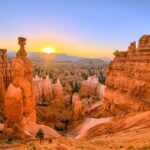
Then you shift from towering cliffs to Bryce’s signature world: thousands of orange and red rock formations. Bryce is the smallest national park by area, but the views feel huge because the formations create that natural “open-air theater” effect—like you’re looking into rows of ancient seats.
With 2 hours, you’ll have time for the viewpoints that people come for, and you can take a slow approach—read the shapes, spot different angles, and grab photos without sprinting between stops.
Admission is included here too, which keeps your day simpler.
Other Grand Canyon tours from Las Vegas we've reviewed
Day 2: Monument Valley’s Movie-Set Look and Arches’ Stone Geometry
Day 2 leans into two different flavors of the Southwest: the red-plains drama of Monument Valley and the intricate sandstone arches of Arches.
Monument Valley (about 2 hours)
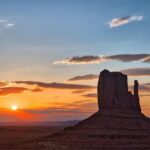
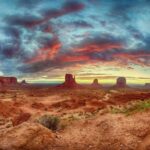
Monument Valley is the American West postcard you’ve seen in movies and TV for decades. It’s famous enough that it even shows up in pop culture history, including a scene referenced from the movie Forrest Gump. The vibe is big-sky desolation: huge rock structures sitting on a red plain, with one of the most recognizable being the Eye of the Sun.
Admission here is listed as free, which is a nice cost relief day.
This stop works best if you let your eyes slow down. It’s less about rushing to one perfect shot and more about noticing how the light changes the reds and shadows across the rock faces.
Arches National Park (about 2 hours)
Then it’s straight to one of the world’s densest areas for natural sandstone arches—over 2000 arches are mentioned, spanning from small openings to massive spans (the largest called out as roughly 91 meters).
With 2 hours, you can cover key highlights without exhausting yourself. Arches is excellent for photography because every turn feels like a new composition: frames inside frames, rock textures, and that signature Utah sandstone color.
Admission is listed as free here as well, so you’re paying for the guided time and transport rather than adding tickets midstream.
Day 3: Antelope Canyon Photo Rules, Horseshoe Bend, and Lake Powell Views
Day 3 is where the tour gets very photogenic, but it also comes with one important etiquette rule.
Antelope Canyon (Lower and/or Upper; about 1.5 hours)
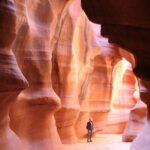
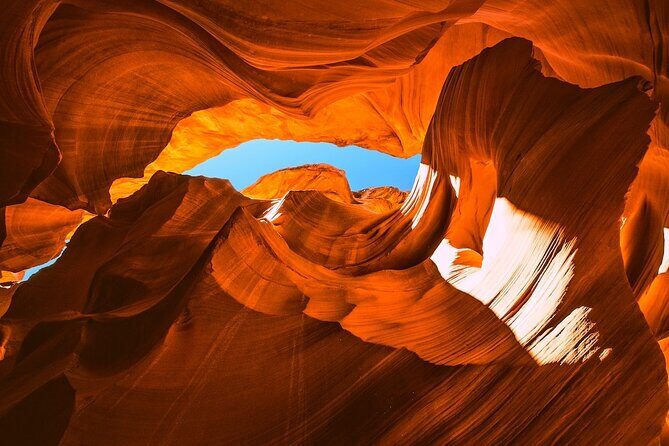
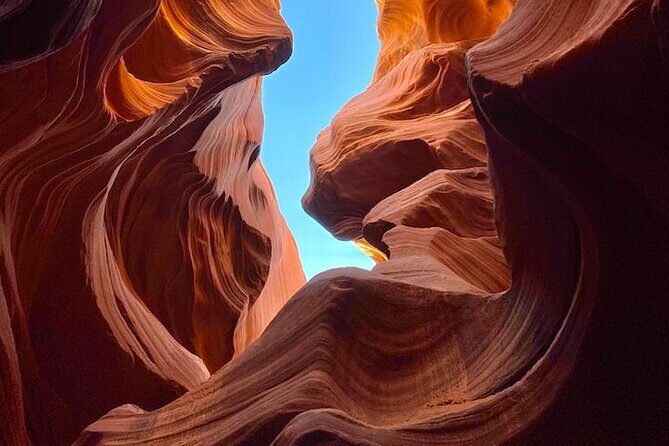
Antelope Canyon is carved by soft sandstone erosion over millions of years. The key detail is how the canyon behaves during the monsoon season: flash floods can happen suddenly, and the canyon’s tight passages shape the way light pours in.
You’ll also have to follow a strict rule: tripods or monopods are not allowed in Antelope Canyon. If you bring one, plan on leaving it off the trip. For most people, handheld shots end up being faster anyway once you’re inside.
Antelope Canyon entry is not included, and that includes the Lower and Upper Antelope tickets per the tour info. You’ll want to budget for those fees separately.
Horseshoe Bend (about 1 hour)
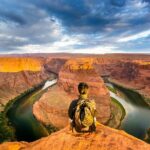
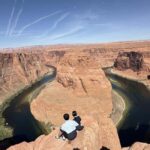
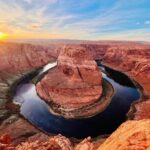
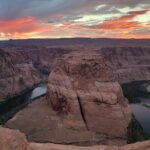
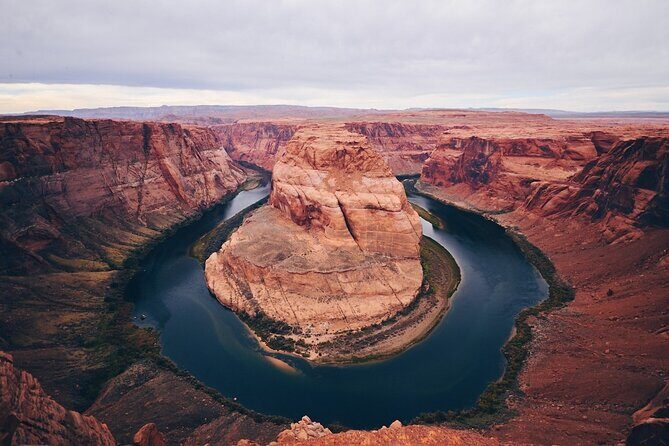
Next stop is Horseshoe Bend, a National Geographic top photo spot. The idea is simple: the Colorado River curves in a tight horseshoe shape through reddish canyon walls, and sunlight makes the water look extra intense.
With about 1 hour, you can find a comfortable place to stand, try a few angles, and wait for that small shift in light that makes the canyon walls pop. The tour’s guide-led timing helps here because you’re not figuring it out alone at the cliff.
Admission for Horseshoe Bend is included.
Lake Powell (about 30 minutes)
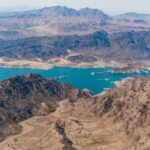
Then the day softens with Lake Powell, a huge inland water area spanning Arizona and Utah. You get about 30 minutes—short, but enough to catch the water-and-rock shoreline character and reset a bit after the canyon stops.
Admission for Lake Powell is listed as free.
Day 4: Grand Canyon Time + Optional Helicopter Wow
Day 4 is the finale, and it’s built around the one stop most people came for.
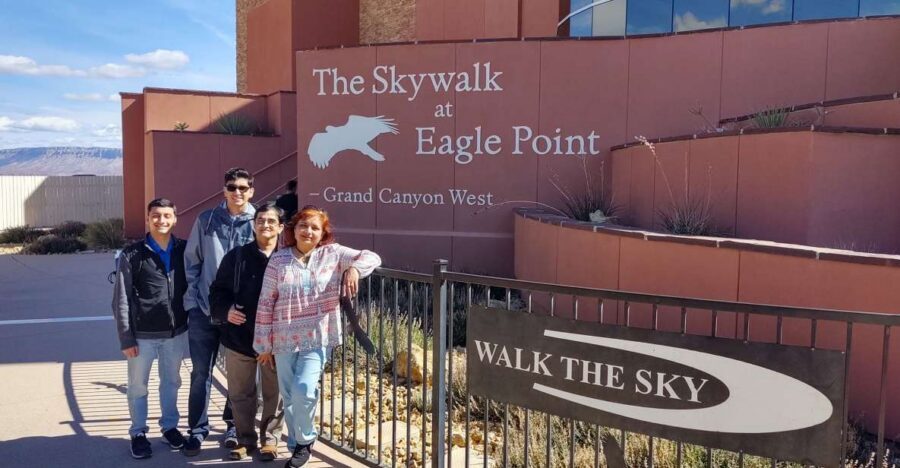
Grand Canyon National Park (about 3 hours)
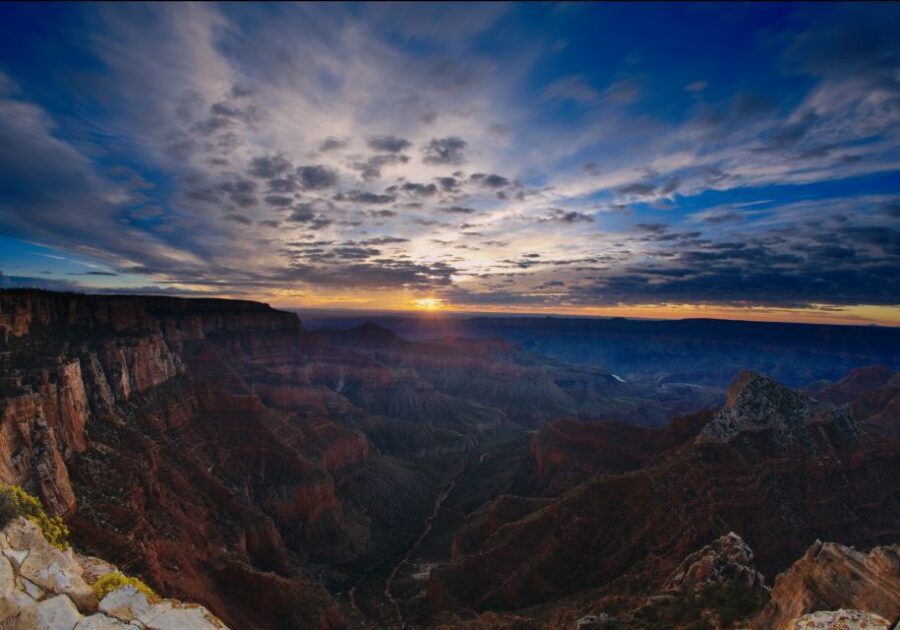
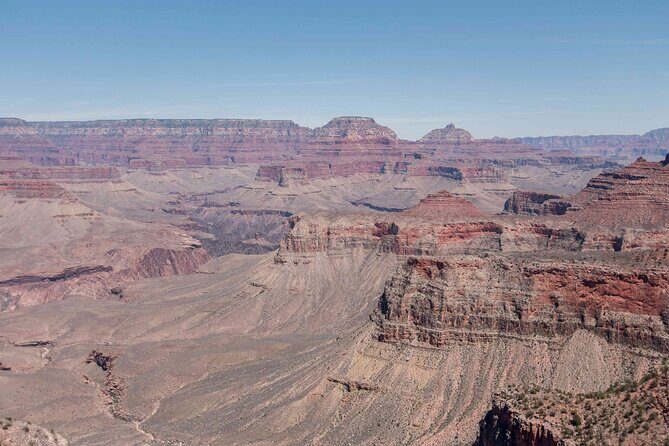
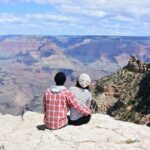
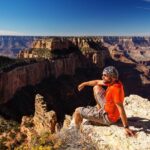
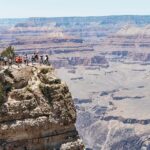
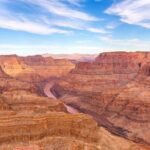
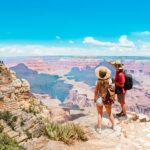
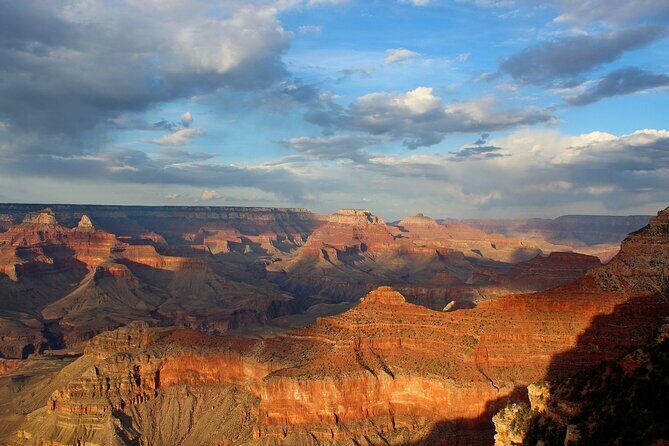
The Grand Canyon is described as covering about 1,904 square miles and formed by the Colorado River cutting through the plateau over time. It’s also listed as one of the Seven Natural Wonders and recognized by UNESCO.
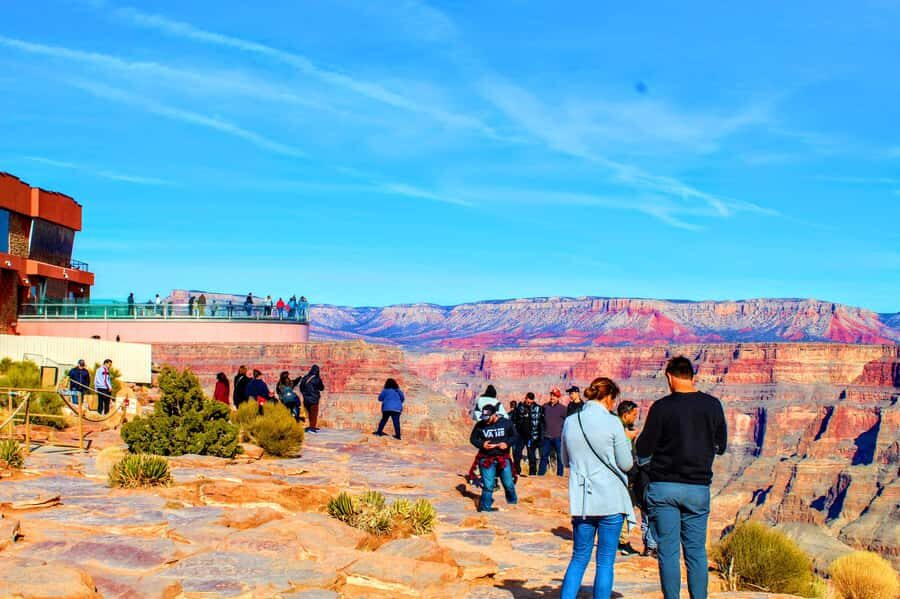
With about 3 hours, you’re likely to get classic overlooks and viewpoints where you can actually take in the scale. This is the day where I’d slow down your photo habit. The canyon is the kind of place where you’ll remember the “standing and looking” more than the camera clicks.
Admission for Grand Canyon is included, which matters because this stop is often where tours and park fees can add up.
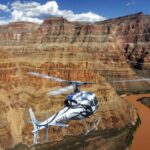
Optional Grand Canyon Helicopter Tour (about 0.5 hours)
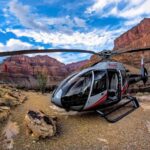
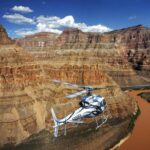
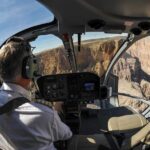
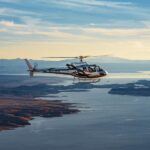
If you want the sky version of the canyon, there’s an optional Grand Canyon helicopter tour listed at about 0.5 hours, and the helicopter ticket is shown as included as part of that optional activity.
This is the one add-on that can turn your photos into something next-level—if you’re comfortable with the idea of a flight.
What Your $1,185 Actually Buys (and What It Doesn’t)
At $1,185 per person, the value depends on what you compare it to. Here, the tour includes:
- Round-trip transport from Las Vegas
- Pickup/drop-off at select Las Vegas hotels
- 3-night accommodation
- Professional guide service
- A premium touring vehicle with commercial insurance
- Starlink satellite Wi‑Fi plus bottled water and light snacks
- Binoculars
- Breakfast (3)
- Admission fees for Grand Canyon, Zion, Bryce Canyon, Arches, Horseshoe Bend, Monument Valley, and Lake Powell
What’s not included:
- Tips/gratuities (10–20% recommended)
- Antelope Canyon entry (Lower and Upper)
- National park non-resident fee (this can apply depending on your status)
So the “hidden math” is mostly Antelope Canyon and any non-resident fee that may apply. If you’re a U.S. resident, your final cost can be lower than if you’re not. Either way, you should treat $1,185 as a strong base that covers the heavy transport and a lot of the big admissions, not as a perfectly all-in package.
One more value note: breakfast is included for three mornings, and that’s practical on a 7:00 am schedule. It keeps you from hunting for food early when everyone is half-awake.
Photo Tips and Practical Comfort for These Parks
This route is built for pictures, but the best photos come from pacing and positioning, not gear.
- Bring a power bank. The Starlink Wi‑Fi helps, but you’ll still use your phone camera hard.
- Pack for heat swings. You’ll move between canyon shade, desert sun, and higher-elevation views.
- Don’t plan to use a tripod at Antelope Canyon. No tripods or monopods is the rule you’ll need to follow there.
- Use the binoculars. The tour provides them, and they help you pick out details and far-off rock features without changing your viewpoint every minute.
- Expect long scenic drives. The tour makes the road part of the experience, with snacks and Wi‑Fi, but you’ll still want to wear comfy shoes and keep a light layer handy.
If you’re traveling with parents or anyone who prefers steady guidance over independent navigation, this kind of managed route is usually a win. One guest called out how Jason handled the group with care in a spacious, comfortable vehicle.
Should You Book This Las Vegas Grand Canyon Tour?
I’d book it if you want a guided, small-group sampler of Utah and Arizona’s top parks without having to plan park-by-park logistics. The price is high-ish, but a lot of admissions and transport are handled, and the max 10 travelers size helps it feel less like a cattle call.
I’d think twice if you hate early starts or you need a lot of downtime. This itinerary is built to keep moving, and you’ll feel it.
If your priority is iconic views, good timing, and a guide who can get you where you need to be, this one hits the mark.
FAQ
Is hotel pickup included, and what time does the tour start?
Yes. The tour includes pickup and drop-off at select Las Vegas hotels. The start time listed is 7:00 am.
How long is the tour and how many days does it cover?
It’s a 4-day tour (approx.) with 3-night accommodation.
What’s the group size limit?
The tour has a maximum of 10 travelers.
What’s included in the price for meals?
Breakfast is included for 3 days. Other meals are not listed as included.
Is Wi‑Fi provided during the trip?
Yes. The tour includes full coverage Starlink satellite Wi‑Fi throughout the journey.
Which park admissions are included, and which are not?
Admissions are included for Grand Canyon, Zion, Bryce Canyon, Arches, Horseshoe Bend, Monument Valley, and Lake Powell. Antelope Canyon entry fees (Lower Antelope & Upper Antelope) are not included.
Do I need to pay a non-resident park fee?
The tour info notes a possible National Park non-resident fee not included, which could apply depending on your situation.
Are tripods or monopods allowed at Antelope Canyon?
No. Tripods or monopods are not allowed in Antelope Canyon.
Is the Grand Canyon helicopter tour included?
There’s an optional Grand Canyon helicopter tour listed at about 0.5 hours, and it is shown as included as an optional activity.
What happens if weather is poor?
The experience requires good weather. If it’s canceled due to poor weather, you’ll be offered a different date or a full refund.