REVIEW · FLAGSTAFF
Grand Canyon South Rim Day Trip from Flagstaff
Book on Viator →Operated by Angels Gate Tours · Bookable on Viator
South Rim from Flagstaff is a one-day reality check. This tour bundles hotel pickup and Grand Canyon viewpoints so you can focus on the views instead of route planning. I really like the way the guide builds the day with natural history talk, then steers you to stops like Yavapai Point and Lipan Point at just the right moments.
The main thing to consider is time and space: it’s a long day in a van, with some walking and tight photo windows at each overlook. If you’re sensitive to crowds, keep in mind that Grand Canyon Village can still feel busy at peak hours, even though your guide may route you to better angles.
In This Review
- Key takeaways
- Why This Flagstaff to South Rim Trip Feels So Efficient
- Price and Value: What You’re Really Paying For
- Pickup, Van Comfort, and the Real Rhythm of the Day
- Morning Drive: From the High Country to Route 66 History
- First Big Canyon Hit: Grand Canyon Village Overlooks
- Yavapai Point: Geology Museum + Classic Rim View
- Lipan Point: Looking Down and Feeling the Drop
- Desert View Watchtower + Hopi Art Stop
- Cameron Trading Post: Native-Made Crafts on Navajo Land
- How the Guide Changes Everything (From Cat to Brian)
- Photo Tips and Comfort Stuff That Actually Helps
- Weather and Visibility: The One Variable You Can’t Control
- Who This Tour Fits Best
- Should You Book This South Rim Day Trip?
- FAQ
- How long is the Grand Canyon South Rim day trip from Flagstaff?
- Do they pick you up from your hotel in Flagstaff?
- Is lunch included?
- What South Rim stops do you visit?
- Is the park admission included in the tour price?
- Do I need to bring a car seat for children?
Key takeaways
- Hotel-to-hotel pickup in Flagstaff keeps the start stress-free
- South Rim to East Rim viewpoints with geology context, not just sightseeing
- Yavapai Point’s geology museum helps you understand what you’re seeing
- Desert View + watchtower gives you a different viewpoint style near the eastern end
- Cameron Trading Post on the Navajo Nation is a real stop for Native-made arts and crafts
- Small-group touring (up to 14) keeps the day from feeling like cattle-line travel
Why This Flagstaff to South Rim Trip Feels So Efficient
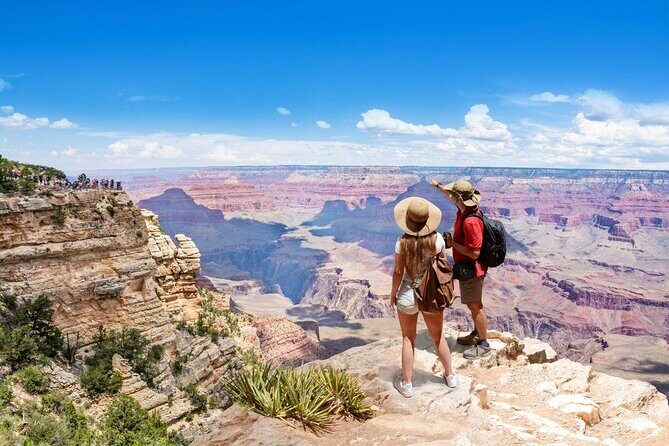
Flagstaff is the sweet spot for a Grand Canyon day trip because you get a lot of canyon time without committing to an overnight. You’ll leave early, ride down through the high-country, and come back the same day. That matters if you want the canyon without giving up your whole trip to it.
What makes this experience work well is the balance: you get real viewpoint time along the South Rim, plus a guided story that makes the canyon feel legible. Instead of just “wow, it’s big,” you start connecting names, rock layers, and human history to the places you stop.
I also like that you’re not stuck doing everything alone. The van driver handles the long stretches, which means you can stay present for the dramatic turns, sudden overlooks, and the moment you first spot condor potential in the sky.
Other South Rim tours we've reviewed at the Grand Canyon
Price and Value: What You’re Really Paying For
The stated price is $196.63 per person for about nine hours. That sounds steep until you price out three things people always forget: transportation from Flagstaff, a guide for interpretive commentary, and the friction cost of doing it all yourself.
On top of that, the tour includes bottled water, entrance ticket coverage as listed for the canyon stops, and hotel pickup/drop-off. You also get a structured day with multiple planned overlooks—so you’re not spending half the morning deciding where to park and which viewpoint matters most.
Two items to watch: lunch isn’t included, and the listing calls out a government fee of $100 per person. There’s also a tip of 20% recommended if you enjoy the tour. So your real total will depend on lunch choices and whether you end up paying that government fee on your booking.
Pickup, Van Comfort, and the Real Rhythm of the Day
You start at 8:00am, with pickup commonly between 8:00 and 8:30am from Flagstaff hotels within city limits. You return around 5:00 to 5:30pm. That schedule is long, but it’s also why you can hit multiple South Rim and East Rim viewpoints in one day.
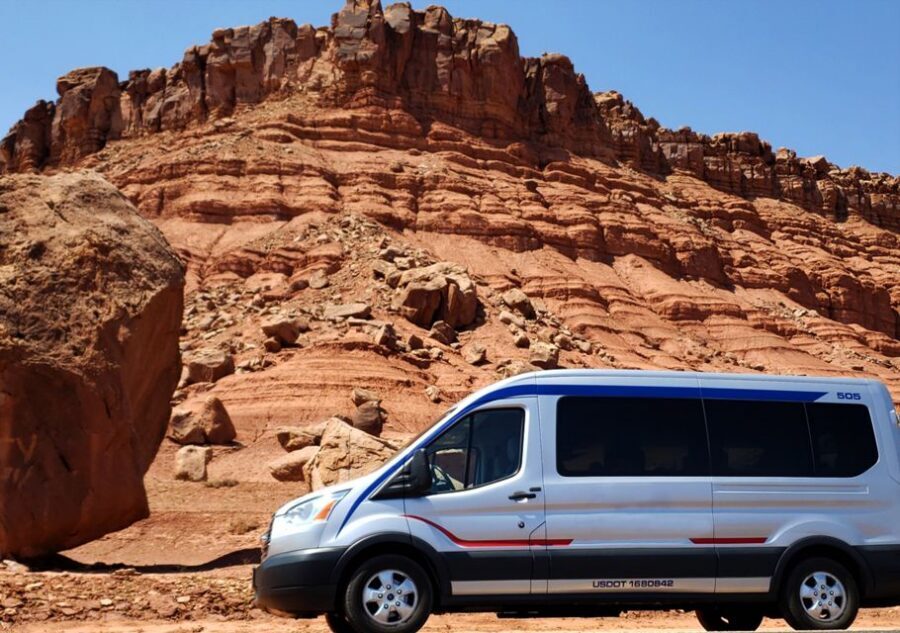
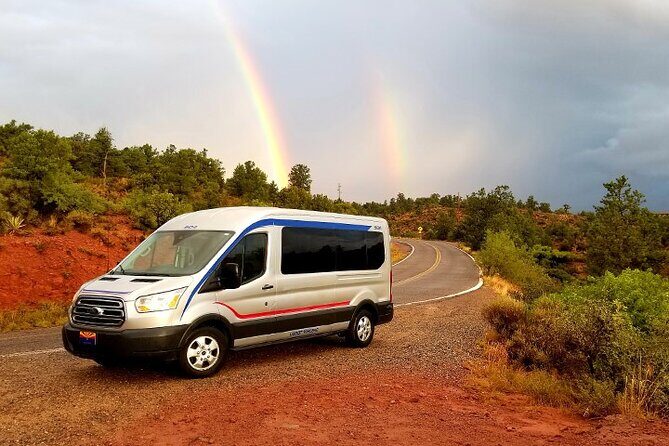
The group size cap is 14 travelers, and the tours run in a van designed for that size. In practice, you may not fill all seats, which can help with comfort. Still, one downside shows up in feedback: the van can feel tight if you’re expecting airline-level space. It’s best to plan like it’s a long road trip—pack a small layer you can wear off and on, and be ready for some step-in/step-out moments at stops.
You also want a moderate physical fitness level. You won’t be doing strenuous hikes, but there is walking at viewpoints, and one person noted they expected less walking than happened. Wear real shoes, not just “nice vacation sandals.”
And yes, if you’re traveling with children: Arizona law requires car seats/booster seats for children eight and under, and you must provide your own for the tour.
Morning Drive: From the High Country to Route 66 History
Once you leave Flagstaff, your route sets the mood. You’ll pass the San Francisco Peaks area—an active volcanic mountain range in Arizona—with the drive giving you a feel for what the region is made of. It’s also the easiest way to transition from pine-covered elevations down toward the canyon without thinking about directions.
You’ll also go through historic Williams on Route 66. Even if you don’t stop much for photos, it’s a nice shift in scenery and vibe, and it helps you break up the ride so the day doesn’t feel like one long van segment.
Keep an eye out as you get closer: there’s a good chance you’ll hear your guide mention condors. The canyon region has its own wildlife rhythm, and spotting large birds is one of those small moments that can make the day feel extra alive.
First Big Canyon Hit: Grand Canyon Village Overlooks
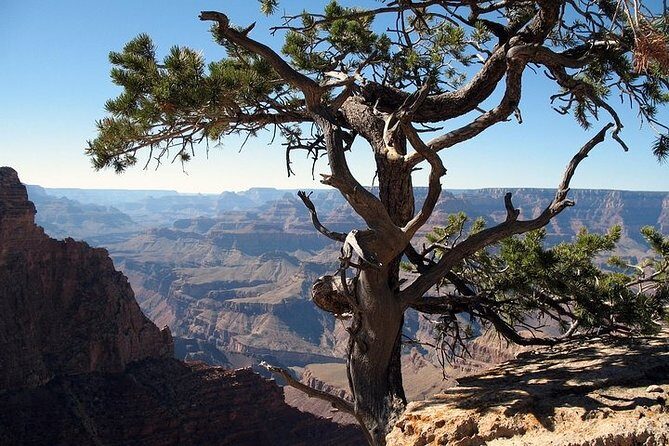
The first major canyon stop is Grand Canyon Village, with about 15 minutes at the viewing area. This is where you get your bearings, especially if it’s your first time. It’s not about lingering all day here; it’s about learning how the canyon’s scale works and what direction to look from.
If you want to understand the canyon faster, Yavapai Point helps. One of the stops includes a geology museum, which gives you a way to connect the canyon’s layered look to how it formed. That’s the kind of stop that makes later viewpoints feel more than just scenic.
At this stage of the day, focus on three things:
1) Find where you’re supposed to look as your guide points out features
2) Take a few photos, then shift to actual viewing
3) Note the light direction so you’re not stuck squinting later
If fog or low visibility happens, you’ll notice it immediately here. That’s also where weather can change the whole day.
Other Grand Canyon tours from Flagstaff we've reviewed

Yavapai Point: Geology Museum + Classic Rim View
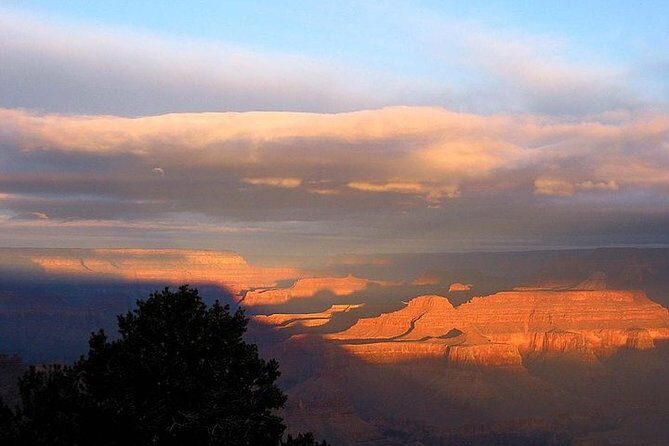
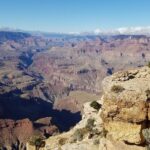
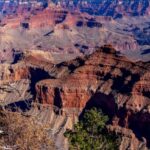
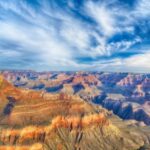
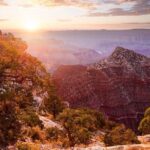
Yavapai Point is one of the most useful stops on this tour because it’s a bridge between “I see it” and “I get it.” The geology museum makes the canyon’s story less abstract. You don’t need a geologist background to benefit; the point is to give you vocabulary for what you’re looking at.
This stop also tends to work well for photos. The South Rim provides a steady, broad view that helps you grasp the canyon’s wide shape before you move into tighter angles later. That order matters: if you jump to narrow viewpoints first, the canyon can feel like a set of disconnected photos rather than one connected system.
If your group includes families, this is also a good place to keep everyone engaged. You can look, listen, and then relate the big view back to the museum context with less effort than trying to “figure it out” on the fly.
Lipan Point: Looking Down and Feeling the Drop
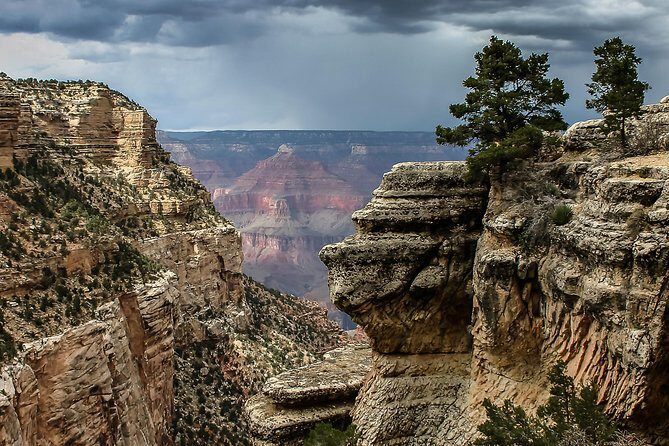
Next comes Lipan Point, with another short photo-friendly stop. This is where the South Rim shifts from overview to depth. Lipan’s value is the way it lets you look down into the canyon in a more dramatic, vertical-feeling way.
It’s one of those viewpoints where your first glance is pure shock—then your second glance becomes about orientation. Your guide’s commentary helps you place what you’re seeing in the context of erosion, time, and how the canyon carved itself across layers.
Practical tip: spend a minute stepping off to the side from the densest cluster so you can get a clear line of sight. You’ll be grateful for that extra angle when you review photos later.
Desert View Watchtower + Hopi Art Stop
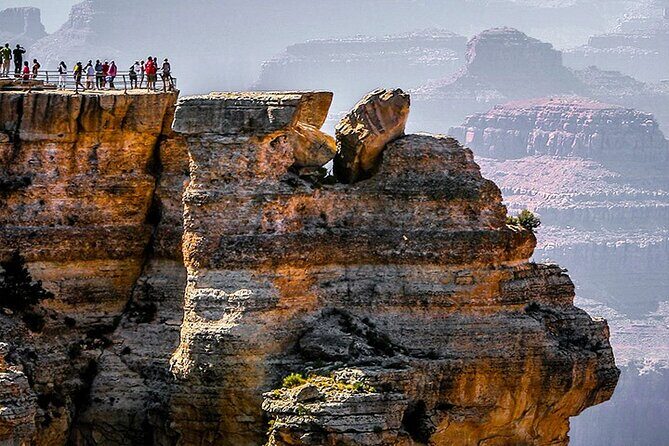
On the eastern end, you’ll reach Desert View and its historic watchtower. This stop has two roles. First, it gives you a different scale and composition than the busier central canyon areas. Second, it adds a cultural thread through Hopi art.
The Hopi art connection isn’t just a souvenir moment. It helps you see the canyon not only as a natural wonder, but also as a place connected to Indigenous communities and artistic traditions. Even if you don’t buy anything, the stop adds meaning to the scenery.
Timing is tight here (about 15 minutes for photo time), so the trick is to decide early whether you want the view first or the art first. If you’re with friends, split up for five minutes, then regroup. That keeps the stop from turning into a “waiting for everyone” spiral.
Cameron Trading Post: Native-Made Crafts on Navajo Land
The afternoon includes a drive along the Little Colorado River area, ending with a stop at Cameron Trading Post. This is a meaningful pause in the middle of a long day because it’s not only about scenery; it’s about craft, community, and a place with history.
The trading post opened in the early 1900s on the Navajo reservation. It carries fine handicrafts and art from Hopi, Zuni, and Navajo artists. That mix matters because it reflects different cultures connected to the region rather than one single generic souvenir style.
This stop is about 30 minutes, and feedback suggests it can be a highlight when you lean into it. Browsing here is easiest if you go in with a clear goal: maybe you want a small item like a piece of pottery, a textile, or a print. If you try to buy big-ticket items on limited time, you might feel rushed.
Also, this is one of the only times you’ll have indoor browsing options on the day—helpful if weather turns.
How the Guide Changes Everything (From Cat to Brian)
A good Grand Canyon day is really three things: transportation, timing, and narration. On this tour, the narration is the differentiator, and the names show up repeatedly in the experience.
Guides you might get include people like Cat, Charlie, Sheldon, Brian, Andrea, Jeff, Steve, Matt, Dave, and Catherine. Each brings a different flavor, but the consistent theme is that they use the stops to teach. You get geology context, place names, and cultural notes connected to the canyon region.
For example, one person loved how their guide chose viewpoint spots to avoid congestion. Another praised a guide’s patience with questions, including kids. Several mentioned guides being on time and making the day feel organized, not chaotic. One review specifically highlighted East Rim value, and another praised Hopi ruins (within the wider Indigenous-focused stops).
If you’re a first-timer, the guide’s job is to get you from random awe to real understanding fast. Ask your guide to point out what’s different between early South Rim views and the later East Rim angles. That one question turns the whole day into a learning game.
Photo Tips and Comfort Stuff That Actually Helps
Grand Canyon photography is mostly about light, not gadgets. You’ll hit multiple overlooks with short windows, so plan for speed. Keep your camera strap accessible, and don’t wait until the moment you see the view to start digging.
A few comfort basics make the day better:
- Layers: the rim can feel different from the drive through Flagstaff and Williams
- Shoes: the tour assumes some walking around overlooks
- Water: bottled water is included, and you’ll appreciate it on long van days
- Lunch plan: you have time to eat on your own at Grand Canyon Village, but not a whole afternoon
If weather looks questionable, go into it with flexibility. One traveler reported a foggy and snowy day with no visibility at the canyon views, and in that case, the guide’s performance mattered but the weather still controlled what could be seen. That’s not a tour failure. It’s the canyon being the canyon.
Weather and Visibility: The One Variable You Can’t Control
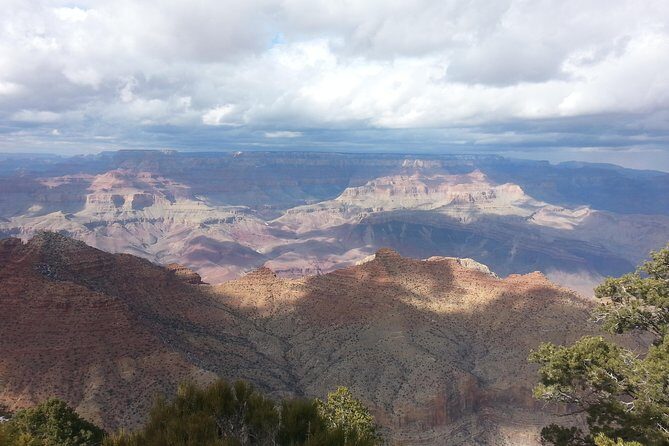
This is one of those places where the sky can make a big difference. Clear weather often means sharp, layered views and dramatic contrast. Low clouds, fog, or snow can flatten the scene and hide the canyon’s depth.
Even so, a bad visibility day can still be educational because guides can talk through the landscape and help you understand what you’re looking at when it’s partly obscured. But if you’re chasing photos that show every layer crisply, choose a date with better odds of clear skies.
If you’re booking close to your trip date, consider checking forecast trends for the day you go. And if conditions are poor, your best plan is to treat it like a learning trip plus scenic driving day, not only a “perfect view” day.
Who This Tour Fits Best
This tour is ideal for:
- First-time Grand Canyon visitors who want a high-impact day without driving
- People who like guided context on geology and regional history
- Couples and solo travelers who want a straightforward plan with pickup and drop-off
- Anyone who prefers comfort over self-navigation, especially during a long road day
It’s also a good match if you want both nature and culture in one day. You get rim viewpoints plus a stop on the Navajo Nation for Indigenous art.
If you’re traveling with kids, the day can work well, but plan for the car seat rule and for the fact that viewpoint time is short. Bring snacks if that helps your family pace, since lunch is not included and you’ll be on the schedule.
If you’re extremely budget-tight, remember the add-ons: government fees, tip norms, and your own lunch. But if you compare it to the cost of parking, gas, car rental if needed, and tour-time you would otherwise spend planning, it can pencil out as a solid convenience value.
Should You Book This South Rim Day Trip?
I think you should book this tour if you want the South Rim efficiently and you value guided storytelling that helps you understand what you’re seeing. It’s especially worth it from Flagstaff because the pickup removes the biggest hassle and you still get multiple viewpoint angles, plus time at Cameron Trading Post.
I’d hesitate only if you need lots of independent time at each overlook, or if you’re sensitive to tight van seating and a bit of walking. Also, if your whole trip hinges on perfect visibility, keep weather in mind and be ready to adapt.
If your goal is a well-paced Grand Canyon day with memorable viewpoints and a guide who explains the canyon rather than just driving, this is a strong choice.
FAQ
How long is the Grand Canyon South Rim day trip from Flagstaff?
The tour runs for about 9 hours. It departs daily around 8:00–8:30am and returns approximately 5:00–5:30pm.
Do they pick you up from your hotel in Flagstaff?
Yes. The tour offers complimentary hotel pickup around 8:00–8:30am for hotels within Flagstaff city limits.
Is lunch included?
No. You’ll have time to enjoy lunch on your own at Grand Canyon Village.
What South Rim stops do you visit?
You’ll visit Grand Canyon Village for a viewpoint stop, plus photo stops at Lipan Point and Desert View Watchtower. The day is also described as covering the South Rim to the East Rim.
Is the park admission included in the tour price?
Admission tickets are listed as included for the canyon stops, but the listing also notes government fees of $100 per person that are not included.
Do I need to bring a car seat for children?
Yes. Arizona state law requires children eight years and younger to be in a car seat/booster seat, and guests must provide their own for the tour.